Unknown's avatar

About sa.fifer

Lover of good, wholesome food and wine. Cooks for one and the cat. Likes to paint-- a frustrated botanical illustrator and amateur (photographer) and fledgling birdwatcher, beekeeper, and Kindle addict. Works as a freelance indexer.

Beebop

Vilgalys BeeBop liqueurYou are encountering something unusual–I’ve found a liqueur that I like–another one.  I’ve posted about Krupnikas, and about Beatnik–well, here’s another that I really like: Beebop.  Again from the Brothers Vilgalys, here in Durham. I’m a serious fan of this one too. It’s another vegetable in an unexpected place–not quite so unexpected as the beets since rhubarb is used to make wine.

The aroma is bright and warm. The first taste is bright, and spicy. As it warms in your mouth, there’s definite tartness (the rhubarb–not puckery or sharp at all) and a bit of floral tanginess (the hibiscus); it makes me think of sunshine. Then there’s forest warmth (allspice, chamomile, and rosemary combination perhaps) spreads though your mouth. The finish is long with the coriander really blossoming at the end.

Another awesome blend of vegetable, spices, herbs, and botanicals.  As this warms slightly above room temperature in my hands (in a snifter) the middle flavors become more complex.  For sipping these liqueurs definitely need to be treated  like a fine brandy–warmed slightly so that all the flavors come out, and in a balloon/snifter so that you can really get your nose into your appreciation of all the aromas as well as the tastes. With this one as with the Krupnikas and other liqueurs, it’s the balance. The allspice is more pronounced, pushing this toward warm flavor, but balanced by the “forest” flavor and the final long finish where the coriander comes out.

The Brothers Vilgalys describe this a tart and savory, with a dry finish.  Agreed, but it’s much more complex–this is serious sipping stuff.

Ò¿Ó

¤


Holiday time again….

Like it or not the holiday season approaches. I’ve one Christmas gift to order yet, but then I’m through. I thought I’d pass on a few suggestions for gifts for those of you who still have a cooking person on your list to shop for:

  • Volrath French carbon steel skillet: probably my most-used, it has the advantages of cast iron, without the weight.
  • Romertopf clay cooker: a go-to especially for one-dish meals in cold weather.
  • Home espresso machine: Can’t start the morning without my jolt of caffeine either straight espresso or café latte.
  • Clever Coffee Dripper: If I’m not wanting quite the jolt of espresso this gets something more like French press, with the benefit of a filter to eliminate the sediment.
  • Kunh Rincon garlic press: If garlic is a cooking necessity, a garlic press can be a time-saver, or it can be a total nuisance when you have to clean it, so you don’t use it. This is a good one, recommended by Cook’s Illustrated after testing lots of them.*
  • Max Burton Portable Induction cook unit: Live where it’s hot and humid in the summer? You just hate to turn on the stove? Induction cooking is much cooler–though it does require cookware that is either stainless steel or iron.  If a magnet won’t stick on your cookware, then you need the Hob Heat Diffuser that will allow you to use other cookware with the induction unit.
  • Pressure cooker: The Fissler FSSFIS5859 Vitaquick Pressure Cooker was the winner of the Cook’s Illustrated testing* and is pricey.  The runner-up was the Fagor Duo line, less pricey, highly recommended and noted as “best buy”. (This is the one I’ve used.) This cooker does work with induction cook units–a real plus in hot, humid weather when you still want those dried beans cooked.
  • Fasta Pasta Microwave pasta cooker: This is a real gem to have in the kitchen! So much easier than boiling that big pot of water–again great in hot, humid weather, but once you start using it, you’re hooked. Again this is a kitchen “gadget” that was tested by Cook’s Illustrated.*
  • If the cook you’re shopping for is just getting a kitchen set up, there’s always some of the essentials for good cooking: Penzeys herbs and spices, either basic, for bakers or for the cook starting to branch out, a do-it-yourself box of specialty herbs and spices.  If you have someone on your list who has to watch sodium intake, there are lots of salt-free blends. If you buying for a cook pressed for time, seasoning blends can be real time-savers–in my kitchen I don’t want to be without herbes de Provence for that time when I’m just too rushed to think blending my own.
  • For relaxation and enjoyment,  either alone or with company, a selection off teas to have on a leisurely morning, or relaxing afternoon break.  Harney & Sons Master Tea Blenders have a fantastic selection–black, green, herbal, flavored, and all the accessories necessary to make a special occasion. Teas can be ordered individually, or there are collections ready made.  If you’re unsure what tea would please your “giftee” most, then send a selection of samples–for a modest $2 you can send enough to brew a decent pot of many teas. Some very expensive ones–e.g. Black King which rings up at $240.00/pound–the sample may run $5. What a great way to let someone explore fine teas–treat yourself.
  • Like a liqueur to sip while relaxing? If you’re in North Carolina, there are some lovely liqueurs made in Durham by the Brothers Vilgalys: Krupnikas, a spice honey liqueur would be a real treat, or look at the unusual liqueurs they make: Beatmik, Beebop, Zaphod, and Jabberwok.  All are great in cocktails, for just sipping straight, added to hot chocolate or hot cocoa.  If you’re not in North Carolina you may still be able to get these delightful liqueurs through other distributors.

Wishing you and your favorite cook very happy holidays–lots of good food, friends, conversations, as well as wines and spirits!

__________________________________________________________

*Cook’s Illustrated equipment testing is done without manufacturers knowledge until after publication, and products tested are chosen for consumer benefit. They do not accept requests for testing from manufacturers.

.

Ò¿Ó

.

Hot Cocoa

It’s been a chilly, damp, drippy Monday–the kind of day that takes an inordinate amount of caffeine to achieve a minimally functional state. The day’s to-do list included taking the cat to the vet. Of course it was raining  when I toted Frankie out to the car, and it was raining when we came out of the veterinarian’s office. Frankie was lucky–he was in the carrier and dry (not that he was at all appreciative of that).  Now we’re back indoors.  It’s still chilly, damp, drippy Monday–but now dark.  It’s time for a warm beverage that must have chocolate in some form in it–but there must be lots of if.  That means hot coca!

The hot chocolate is sipping chocolate–thick, rich, creamy–for when you feel truly decadent and in need of something sensuous as well as chocolate. There are times when chocolate is required–after a long walk in the snow, or after you’ve finished all the errands that made you go out on a cold, damp, grey, and miserable day. Those are the times when I want hot cocoa–a lighter beverage that comes in a BIG mug (and maybe even whipped cream) to warm me up. It has to be lighter than drinking chocolate because I want to drink more just because. I don’t want the stuff from the grocery store shelves that is supposedly “hot cocoa” but is usually too sweet and lacking in cocoa/chocolate flavor (e.g. Swiss Miss or Nestle’s).

Some chocolatiers have cocoa or drinking-chocolate prepared mixes that are very good–Chuao chocolate Spicy Mayan (expensive and really drinking chocolate), Starbucks, Ghiradelli, to mention a few of the up-scale ones. Even with these, I feel that the cocoa flavor is a bit lacking–I end up using more than suggested on the package,  and they are often sweeter than I like–I’m paying for lots of sugar and powdered milk. For a review of a hot cocoa mixes see Serious Eats.

Scharffen Berger does have sweetened cocoa powder–though more flexible, you’re paying for sugar (that you can get at the grocers inexpensively and you probably already have it in the kitchen).  So, how do I get my great big, steaming, warming mug of hot cocoa?

I’ll start with a premium cocoa: Valrhona is a favorite, Ghiradelli but  you can use the cocoa powder of your choice. The basic recipe for hot cocoa for one is from Epicurious. (On particularly miserable days, I recommend doubling the recipe even if it is just for one.)

Simple Hot Cocoa for One

Ingredients

  • 2 tablespoons unsweetened cocoa powder
  • 1 to 2 tablespoons sugar (depending on how sweet you like it
  • Pinch of salt
  • 1 cup milk or any combination of milk, half-and-half, or cream
  • 1/4 teaspoon vanilla extract

Preparation

  • Whisk together the cocoa, sugar, salt, and about 2 tablespoons milk in a small saucepan over medium-low heat until cocoa and sugar are dissolved.
  • Whisk in the rest of the milk and heat it over medium heat, whisking occasionally, until it is hot.
  • Stir in the vanilla and serve.
  • If you like it frothy, blend it in the blender
  • This recipe multiplies easily. When you get up to a quart of milk, use 1/4 teaspoon salt

For a bit more oomph, you can use both chocolate and cocoa together–and if you don’t want to do more that heat milk to get you cocoa and chocolate fix, here is a recipe for The Best Hot Chocolate Mix from Cook’s Illustrated, November/December 2014, page 23 that makes enough mix for 12 one-cup servings. Frankly, I get less than 12 since I usually use a big mug.

The Best Hot Chocolate Mix

Ingredients

  • 1 cup (7 ounces) sugar
  • 6 ounces unsweetened chocolate, chopped fine
  • 1 cup (3 ounces) unsweetened cocoa powder
  • 1/2 cup (1-1/2 ounces) nonfat dry milk powder
  • 5 teaspoons cornstarch
  • 1 teaspoon vanilla extract
  • 3/4 teaspoon kosher salt

Preparation

  • Process all the ingredients in food processor until ground to powder (30 to 60 seconds, or as needed)
  • Store in airtight container at room temperature for up to 2 months.

Making hot chocolate

For 1 serving:

  • Heat one cup milk (whole, 2%, or 1% low fat) over medium heat until steaming and bubbles appear around the edge of the pan.
  • Add 1/4 cup (4 tablespoons) hot chocolate mix
  • Continue to heat, whisking constantly, until simmering (another 2-3 minutes)
  • Pour into a heated mug and serve

Ò¿Ó

Hot chocolate or hot coca sometimes begs to be dressed up with some additions like Krupnikas or perhaps Jabberwok. If you’re going to add a sweetened liquor like Krupnikas, you may not want to use a mix (as above) that contains sugar. You can only tell by tasting.

Other liqueurs that to dress up hot chocolate or cocoa beverages:

Ò¿Ó

It’s always fun to dress up your hot cocoa–but for me, forget the marshmallows (unless they are homemade), and the whipped cream (unnecessary when you use at least part half-and-half), but adding some spices or other flavors can be fun. Sometimes I make hot chocolate with favorite chocolate bars:  Chuao Spicy Mayan bars, and I sometimes use that to make hot chocolate. My local Harris Teeter has a “house” dark chocolate with orange that makes a great cup of hot chocolate, and the pear and dark chocolate is a way to get a boost if your bar doesn’t include the liqueurs.

Ò¿Ó

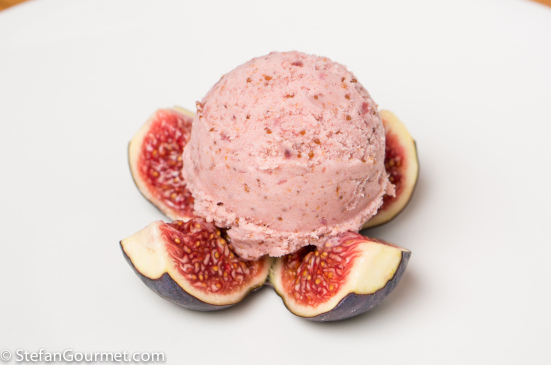
Fresh Fig Ice Cream (Gelato di Fichi)

I just have to pass along this post from Stefan’s Gourmet Blog. I love figs, love ice cream, and this is easy. I’ll be anticipating the fig season next year, though we have brown Turkey figs here, rather than the deep purple ones.

StefanGourmet's avatarStefan's Gourmet Blog

DSC07595

Fresh figs have to be imported and because they are quite perishable they are not often of a great quality, but sometimes some nice figs are available in the Netherlands. A nice way to use them is to make ice cream. I’ve used a recipe from SeriousEats that uses lemon zest and lemon juice to enhance the flavor, and it was very nice indeed. The recipe is quite easy as nog eggs are involved. Here’s what I did…

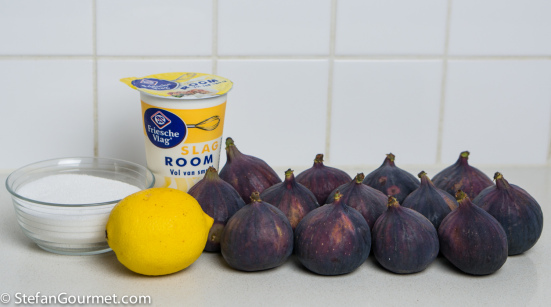
Ingredients

DSC07462

Makes about 750 ml (3 cups)

900 grams (2 lbs) fresh figs, plus additional figs for garnish (optional)

1 untreated lemon

150 grams (3/4 cup) sugar

250 ml (1 cup) heavy cream

Preparation

DSC07465

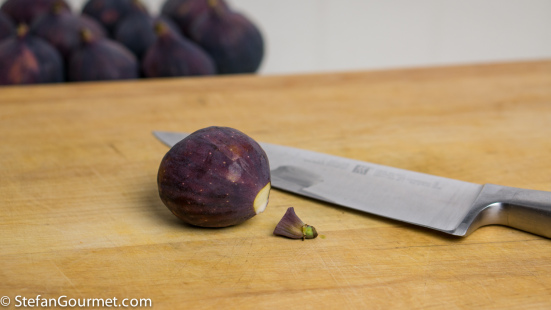
Wash and dry the figs and remove the tough stem.

DSC07467

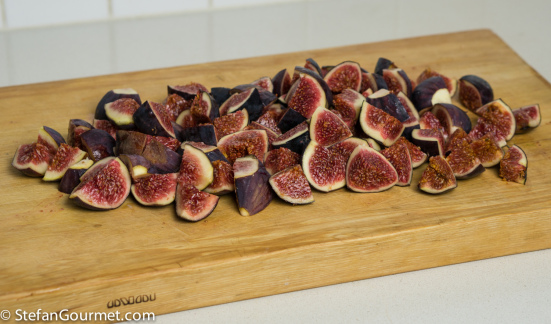
Chop the figs.

DSC07468

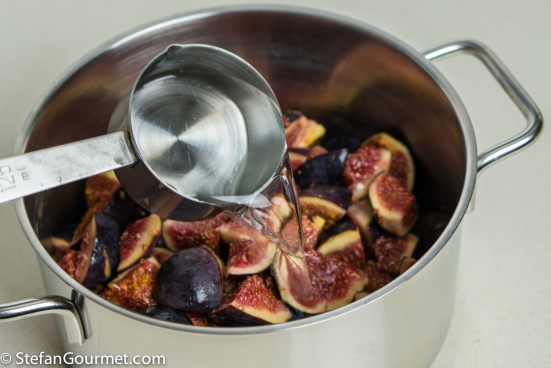
Put the figs in a saucepan with 125 ml (1/2 cup) of water.

DSC07469

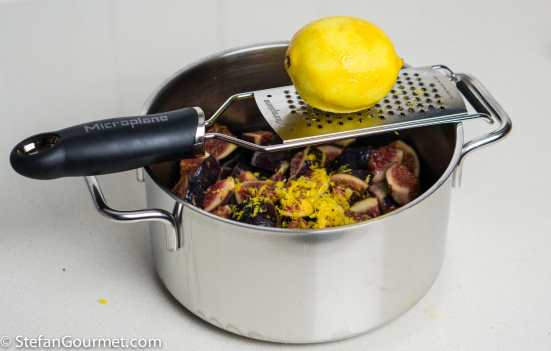
Add the grated zest of a lemon.

DSC07471

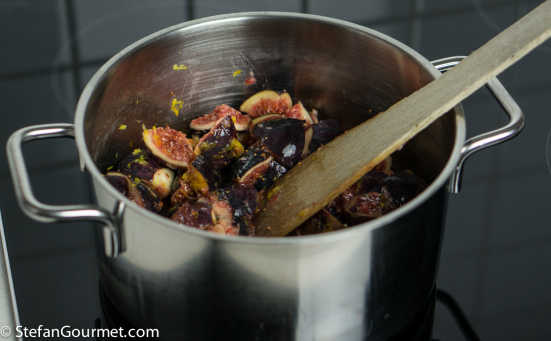
Bring to a boil, stirring…

View original post 133 more words

Fall frustration

I love fall. One of my favorite things is the flaming color of the sugar maple leaves. My kitchen window looks out into a sugar maple tree–and it’s usually gorgeous.  This year, with all the rain, it’s not developed that flaming red that I love so much.  It’s been more yellow and transitioning to brown–but still lovely, but not flamboyant as usual.

yellow leaves through window


Ò¿Ó

.

Breakfast

Nutritional information—or what passes for it—abounds on the internet and in books that you can check out from the library, or find as you pass through the checkout line at the grocery store, but it’s frustrating. It’s constantly changing. Many—really most of us—don’t have the background in physiology, medicine, or the time to do our own detailed research to assess it. You can read the books, e.g. Good Calories, Bad Calories ( (Taubes, Good Calories, Bad Calories 2007), Why We Get Fat ( (Taubes, Why We Get Fat: And What to Do About It 2010), or The Big Fat Surprise (Teicholz 2015) which are extensively researched and well documented. But it still can be confusing, especially if you want more specific information. There’s the Paleo diet, the Atkins diet, the Mediterranean diet….and even The New Atkins for a New You (Westerman and Phinney 2010). So much information, so much controversy. . .

Then there are the things that our grandmothers told us—eat your veggies, and your fruits—but the one that I remember most is that breakfast is a must-have meal. That seems to be one of the less controversial bits of advice out there. There’s only one problem—breakfast is supposed to happen when you wake up. Now, according to the Merriam-Webster Unabridged Dictionary, wake up, awake or awaken, means to “stop sleeping”. The problem is that for some of us awakening is not the same as achieving a state of functioning (“performing a group of related acts and process” according to the dictionary). We awaken, and the functioning state is bestowed later–sometimes much later and only with an appropriate amount of caffeine.

Every time I have to say whether I’m a “morning person” I face a quandary—I love early mornings—the cool part of the day, with the inspiration of the sunrise. So in that sense, I’m a morning person. Add functionality to that and there is a problem. Until I’ve had my morning cafè latte or espresso function is simply out of the question. Making breakfast requires functioning—albeit minimal. I can manage the kind of functioning required to get the espresso machine to spit out the liquid caffeine portion of my latte. Actual breakfast is another issue.

Another issue for me is that first thing in the morning, even as much as I love breakfast food, I don’t want to eat. Food? Yuck! So I have my two café lattes, and by then I should be at my computer working on the current index—breakfast gets another miss.

Every New Year (and probably again this coming one) my resolutions include eating more healthily. That would include giving my body morning fuel. Every year it goes by the wayside because of non-functioning in the morning. So I’m attuned to things that will get me food with least effort in the morning. I’m willing to admit that cooking eggs seems pretty simple, but diet-wise I doubt the nutritional wisdom of bacon and eggs daily partly from the caloric point of view.

In the winter (especially if the view from the kitchen window reveals a cold, grey, damp, day) a breakfast favorite is oatmeal (don’t DO cold cereals on a taste or nutritional basis). Specifically, I want oatmeal with some tooth to it—which really eliminates the quick stuff. I want the steel-cut, slow-cooking stuff. It’s the slow-cooking part that hurts. So I’m constantly on the lookout for things that might help me keep that New Year’s resolution—and maybe even contribute to more healthy eating (and weight loss.

If you search the web, you can find numerous suggestion on how to cook steel-cut oats—some reducing the cooking time to 30 minutes. Even with that, it’s still not in my range of morning functionality—I won’t enumerate the number of ways is possible to screw up when your functioning is barely above brain-dead.

In my recent perusal of the blogs that I follow I was delighted to see a post entitled How To Make Oatmeal in Jars: One Week of Breakfast in 5 Minutes. First of all, it promised make-ahead, and then you’ve probably gathered that I’m a fan of Ball/Mason jars so I have lots of those around.

The prep is simple (see full post for discussion and details)

  • Combine 1-2/3 cups steel-cut oats with 4 cups water, ¼ teaspoon salt.
  • Bring to boil and cook for 3 minutes.
  • Put it into jars, and when it reaches room temperature, cap and refrigerate.
  • To eat, microwave 2 to 3 minutes, add whatever you wish and eat.

My only change to this is something I’ve done for a long time when I’m cooking oatmeal—substitute milk or oat milk for 3 cups of the water and divide into 7 servings since I just don’t eat that much in the morning. The three-minute boil gives chewy kernels; I actually prefer just a bit less chew, so I boil for 5 minutes.

I like to use 1/2-pint jars for this as they will sit in a coffee mug so I don’t have to handle the hot jar or put it into something else to eat–admittedly I do at times end up taking my breakfast on my “commute” into the office and eating at my desk. (I know–not a good thing to do, but it happens when deadlines are close.) Filled only to about 2/3 there’s still room to add things on top–then this recipe works for about 7 days.

Another alternative to “quicken” up the steel-cut oats is to do an overnight soak at room temperature; Maria Speck, in her book on ancient grains, suggests that this will reduce cooking time to about 7 minutes.  My issues with this are that it requires planning ahead. Once the oats are soaked, they need to be cooked. I am, admittedly, a very temperamental, picky eater: I might wake up not wanting to eat oats for breakfast. By precooking and refrigerating, I do give myself a little leeway to be picky without throwing something out.

On more relaxed mornings, I’ll make other versions of steel-cut oats. A favorite is from Alton Brown via the Food Network. Love the toasting before adding liquid. Adding the milk and buttermilk adds richness and tanginess. His point here about stirring in the dairy does make a difference. I’ll admit to not being the owner of a true Scottish-style spurtle but a Holland-style spoodle to be a bit gentler with my steel-cut oats.

Now, for breakfast. . . a drizzle of some luscious varietal honey like French lavender, tupelo, sourwood, or maybe leatherwood, or thyme, or just wildflower or clover, or orange blossom, or maybe just some butter, or possibly milk, or…it may well depend on what I see from my kitchen window!

Ò¿Ó

Hive report 11 Nov 2015

IMG_8695_11_11_trafficFinally a let up in rain and warm enough for me to play at the hive.  There’s still traffic in and out of the hive, but less than during warmer weather when there was nectar and pollen in more plentiful supply.  I didn’t see much pollen coming in at all.  When I removed the syrup feeders, there were lots of the girls up there slurping up syrup.

After I removed the syrup feeders I removed the inner cover–which were firmly glued in place with propolis.  The girls now have a candy-board and a quilt box to see them through the winter.  I wanted to place a mouse guard today, but wasn’t successful since the girls have done such a good job of gluing it in place with propolis that I’m going to have to actually lift the bottom brood box in order to get it out.  That means removing the other brood box and the super.  I didn’t do that this afternoon. Other beekeepers in this area have told me that they do not use metal mouse guards–just the wooden entrance reducer. I would really prefer to put metal mouse guard on, but there was enough traffic and enough guard bees out that I didn’t attempt that today. I do have a metal shield that will fit over my entrance reducer so I’ll place that instead, entrance reducer opening at upper edgeonce I get it cut down to 8-frame size.

I’ve heard different opinions for beekeepers on how the opening in the entrance reducer should be oriented–up or down. Mine is down now.  I wasn’t concerned about this as there was an upper entrance in the inner cover. I heard that for winter, the opening of the entrance reducer should be on top if there is winter-die off: if it’s down it could be blocked with dead bees. Now that I’ve removed the inner cover to place the candy-board and quilt box, I no longer have and upper entrance or ventilation.  One certainly hope that there’s not  going to be winter-die off, but I know some bees will die during the winter. (I’m learning how thoroughly things can be glued in with propolis.)

entrance reducer opening at lower edgeSo–do I place an Imrie shim to keep an upper entrance? Or am I going to have to lift the bottom box and change the orientation of the entrance reducer, or just substitute the mouse guard.  I miss having the class before the bees arrived; however from the looks of the colony, they are training me pretty well.  From Bee Journal, the inventor of the Imrie shim has written about it’s appropriate use–and providing upper entrance in fall and winter is not an intended use–it fact it’s an explicit no-no. Since he’s a successful beekeeper, and inventor of the shim, I think I may heed his advice.  But then there is the advice to provide an upper entrance. . . .

Now I’m left with the quandary of the orientation of the opening in the entrance reducer! Multiple opinions. (I’m beginning to suspect that if you ask 10 beekeepers about this you’ll get 12 different answers. I can see the logic of having the opening at the upper edge of the reducer, especially for winter–especially if that is the only entrance. The solution is probably to get the entrance reducer out and place the mouse guard.  No matter what it looks as if I’m going to have to lift that bottom box–which is pretty well filled with brood and honey, and the two above are now well filled with brood, and the upper with honey.  (This all makes me contemplate the virtues of the long (horizontal) Langstroth hive–which is not the same as a top-bar hive.

All my questions aside, it was good to see so many bees working in the honey super and  drawing and filling even the outermost frames. They’ve obviously been busy since my last inspection.  That should give them a good honey supply for the winter.  Being the “newbee” that I am, I am glad that the candy-board is on the hive.  Much better safe than sorry come spring.

Ever since the nuc arrived here I’ve been used to going out almost every day–even in the rain sometimes–to see what’s going on at the hive. I’m sure that during the winter when I can’t see any traffic I’ll still be going out to look at the hive and wondering how things are inside.  It’s rather amazing how attached you can get to a batch of insects! I’m sure it’s going to seem like a long winter, with rampant curiosity on my part. I do have to hope for another warm day so that I can remove the treatment I placed for varroa mites, but that’s going to be a very quick in-and-out for that purpose only unless it’s an unseasonably warm day.

(I’m pleased with how much honey is in the hive–I hope the candy-board is totally superfluous. I’m happier now that there is candy-board and quilt box on the hive.)

Ò¿Ó


Grocery shopping for one

Do you think about advertising while you’re grocery shopping?  Most likely not! I know that I don’t–but I try to do “perimeter” shopping, making a foray into the center of the store only for specific items–like drain cleaner, paper towels, or dish detergent.  Where I shop, the immediate thing from the entrance is produce (with a big display of locally grown goods), which leads to the meat and fish/seafood counters; a left turn there takes me past the dairy, and refrigerated juices; another left leads me to frozen goods. If I take a right turn at the butcher/fish/seafood counter, I find myself at a counter of prepared fruits and melons (usually in big quantities that are too much for one).  Next in line is the bakery and then the delicatessen.  Continuing through those, I end up at the Asian food bar,  the rotisserie chickens and other prepared meats, and the salad bar.  My usual trek through the grocery store most often involves only a quick dash to the dairy case, then meat and deli. I don’t see a lot of processed food on this circuit. I’d never really given much thought to whether or not my shopping was being manipulated by sales-motivated display methods.  The links below contain some information about store layout and methods used to induce us to buy “stuff”–things that we did not come into the store to purchase: impulse purchases.

Õ¿Õ

links of hot Italian sausageMeat purchases are pretty easy–thanks to chops, steaks, and a butcher/fish counter that will cut to order; packages of  chicken parts, rather than whole birds, and house-made sausages that I can buy one or two at a time. Careful consideration of the dish that I want to make can allow alternative cuts of meet: beef shank instead of large chuck roast for post roast.

The real difficulties come in produce where things are sold bunched, bagged, or otherwise in quantities that don’t fit single-serving cooking. Some produce just grows in too large a quantity–heads of cauliflower, heads of cabbage or lettuce, a whole stalk of Brussels sprouts…waste just waiting to happen unless we make a serious effort to prevent it.

Ò¿Ó

One of the difficulties of cooking for one (or even two) is the produce that goes bad while waiting quietly in the refrigerator for you to do something with it.  I love peppers–and I like variety, but I simply cannot use a whole red and orange or yellow bell pepper before they begin to get a little mushy around the edges, no matter how carefully I store them.  So do I do without them?  Even  some ready-to-use packages that are available in the produce department are still more than I want. Buying more than I can use is like throwing money away–and it gets worse if you consider the amount of food waste by consumers after purchase, let alone the waste between harvest and the appearance in the supermarket.

My supermarket likely has something that will help with this dilemma:  a salad bar.

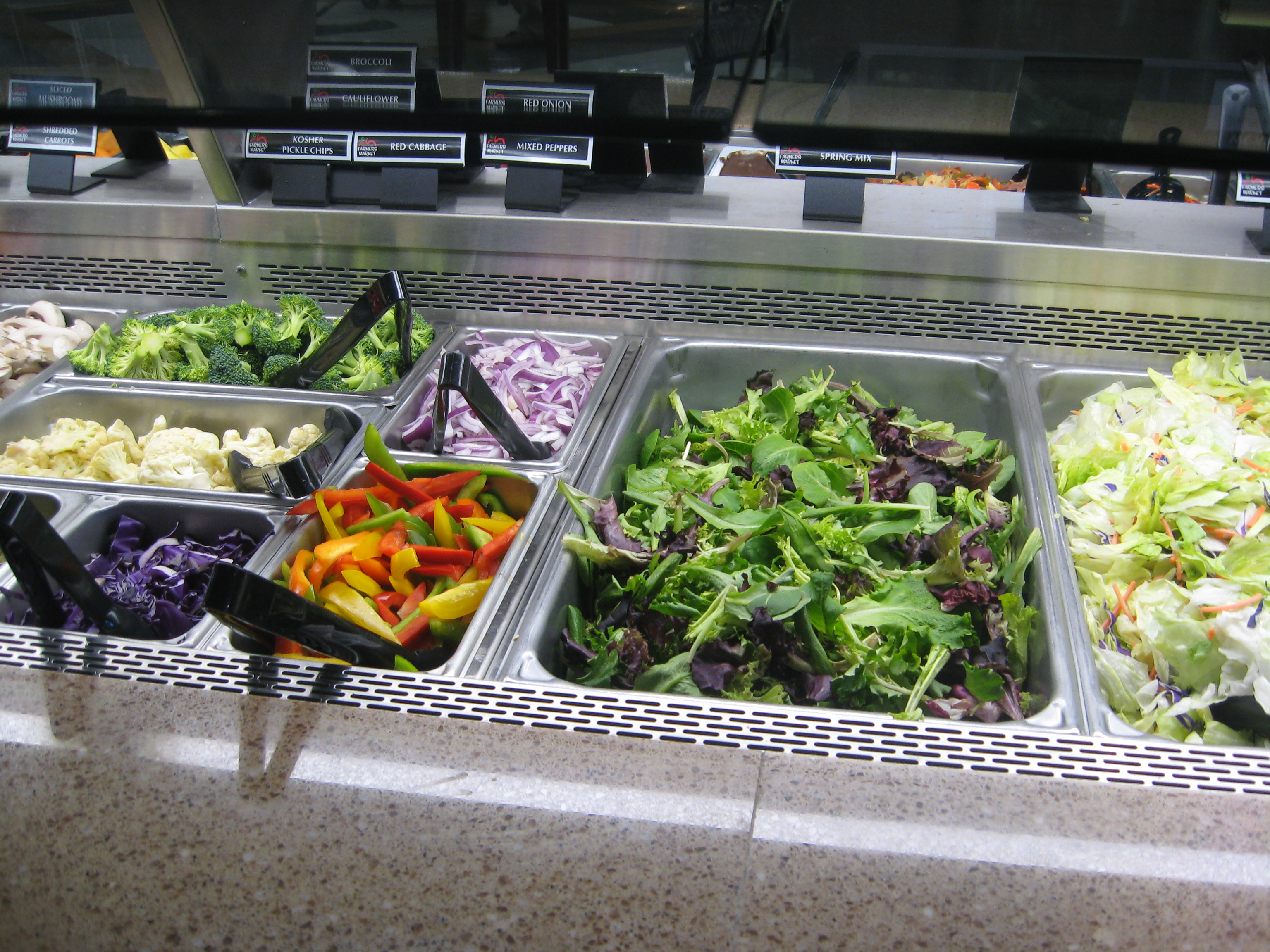
green on the salad barIf you’ve always thought of it as a place to make a salad with all sorts of veggies and trimmings, and pour salad dressing on it, top it with some croutons, and take it back to the office to eat  you need to look at the salad bar from a different perspective. Take a closer look at what’s available there to purchase by the pound–thinking about what you need for a meal, rather than making a salad.

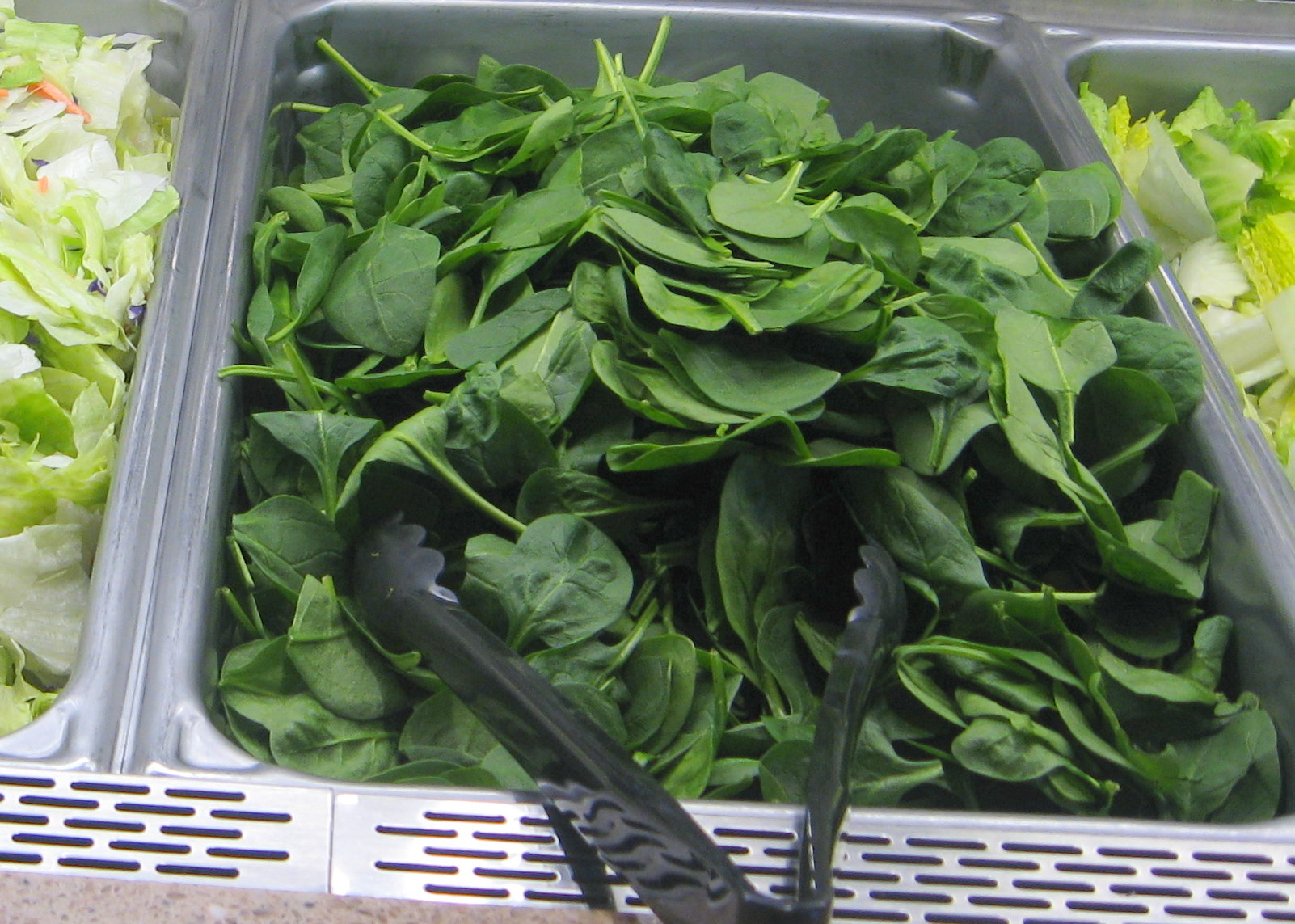
As much as I love salads, packaged greens often go bad before I use all of them. My other objection to big prepared baby spinach on the salad bar (Harris Teeter)packages of greens is the lack of variety–I simply don’t want spinach as my greens for a whole week.  If your market has a salad bar, you can get single-servings of mesclun, spinach, and other greens from the salad bar. I can also get some that loose greens in the produce department–I’ll purchase that either place, depending on what my schedule is and how salad-crazy I am at the time. Since the salad bar usually has several kinds of greens out, I can have mixed salad greens without buying lots of each kind.

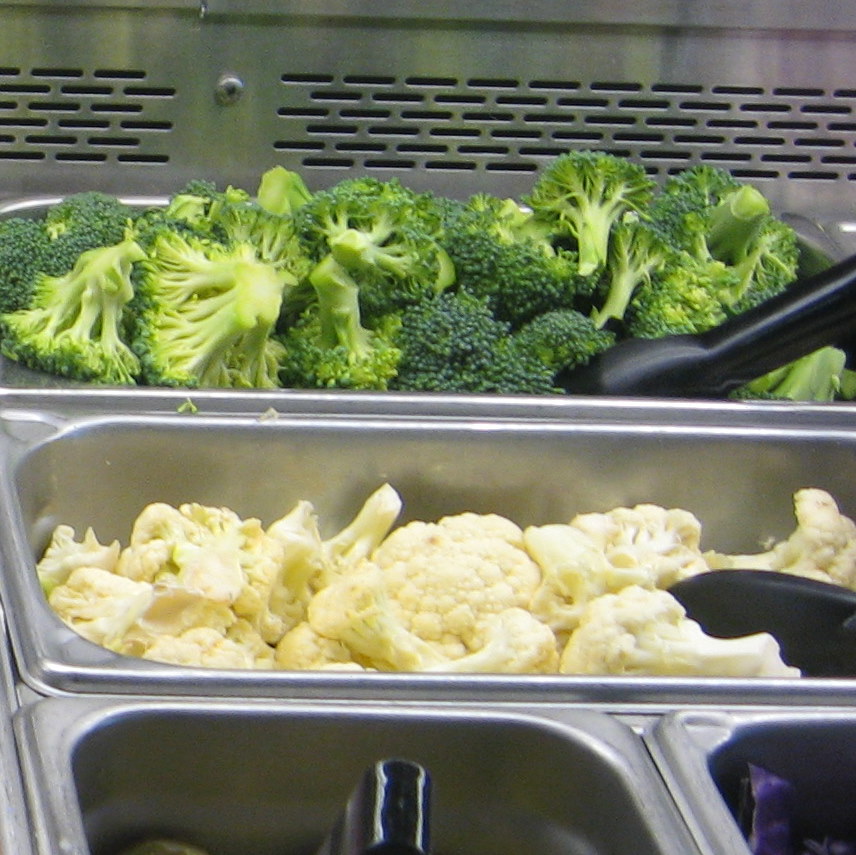
salad bar-broccoli-cauliflower IMG_6051I like cauliflower and broccoli too, but again a head of cauliflower is a bit much, so even at $3.99 a pound it is less wasteful and probably cheaper in the long run for me to buy what I need for a single meal from the salad bar–and I avoid having to do the prep myself–added benefit.

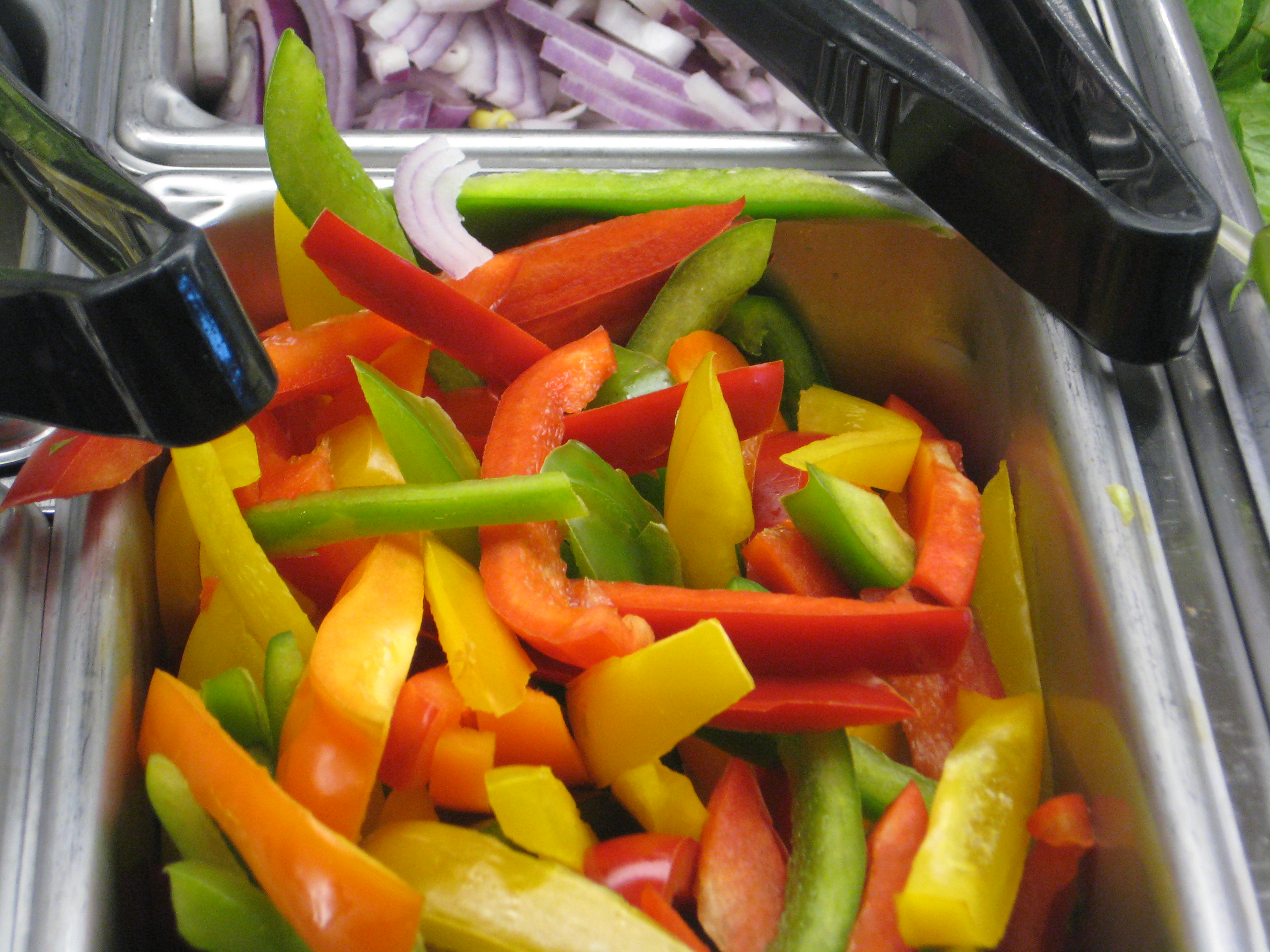
My most frequent purchase from the salad bar is bell pepper strips, for salads, and sometimes for seasonings.  If I need a lot, for example making the dandelion greens and sausages or  chicken with sweet peppers, I will either buy whole peppers, or use frozen ones since they are to be cooked.  The salad bar that I frequent usually has a variety of colors, so I can have that without red, yellow, orange, and green going bad in the fridge. (I prepared bell peppers on the salad bar (Harris Teeter)have to admit, somewhat shamefacedly, that I’m one of the people who will stand there and pick out the red, orange, and yellow and leave the green ones behind.)
I don’t buy tomatoes off the salad bar–I think that the refrigeration changes the texture of them, so I usually get grape/cherry tomatoes from the produce section. They seem to be one thing that I use easily before they get funky.

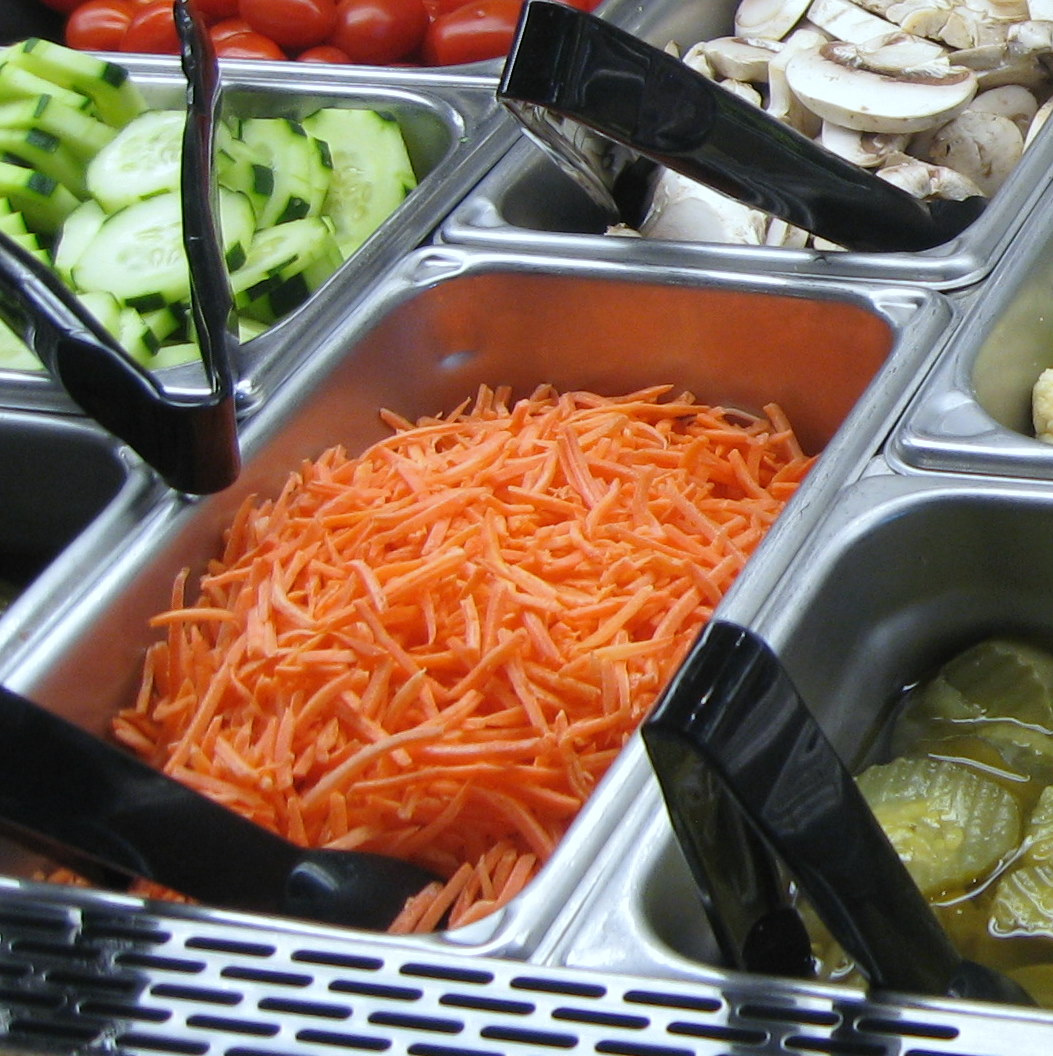
Onions and whole carrots keep well julienned carrots on the salad barenough that I buy those in the produce department most of the time and keep them in the fridge; but if I want  julienned carrots to make a quick serving for a meal or for a salad–I may just take the lazy way out and use the salad bar rather than the packaged ones in the produce department. That’s my idea of convenience food.
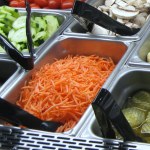
I don’t often by cucumbers from the salad bar since I prefer the English ones–and the salad bar usually features the American slicers so they are not worth the per pound price. Other things that may be purchased from the salad bar include sliced mushrooms, julienned radishes, or fresh mozzarella when you want just enough for one serving.

Another frustration of buying produce for one is fruit. As much as I like cantaloupe, honeydew, berries and other fruit, getting variety leads me to use the fruit side of the salad bar often. I can usually find assorted berries, mangoes, pineapple, and melons there.

Most of the items on the salad bar really aren’t that heavy–and considering that you have avoided the waste of unused produce, it seems to be a reasonable price.  Even some of the heavier items like melons, broccoli and cauliflower, are a bargain for me since it allows me to have variety in my meals and minimizes waste.

Not everything I want is on the salad bar, so the solo cook has to deal with more produce than you’re going to use quickly. What are the options?

Risotto for one

A traditional risotto, scaled for one.

Christina Hernandez Sherwood's avatarSpaghetti & Meatballs

It’s no secret that I love risotto (Exhibit A, Exhibit B). It can be a time-intensive dish, so my tendency has always been to make risotto in bulk.

But after a few delicious risotto meals recently, I realized I didn’t have enough ingredients left to make any of my favorite risotto recipes without buying more supplies. The idea of risotto for one was born.

I scoured several risotto recipes for larger groups and tweaked them to fit my ingredient supply. This risotto is deliciously simple and just the right size for one. Enjoy!

Ingredients:

  • 1 tablespoon butter
  • A few tablespoons chopped onion
  • 1/4 cup dry white wine
  • 1 1/2 cups chicken or vegetable stock
  • 1/2 cup Arborio rice
  • A few tablespoons grated Parmesan or Romano cheese
  • Salt and pepper
  • Olive oil
Directions:
  • Warm the stock in a pot over medium heat.
  • In a separate pot, melt the butter. Cook…

View original post 175 more words

Kitchen disaster. . .

. . . but a happy, tasty ending.

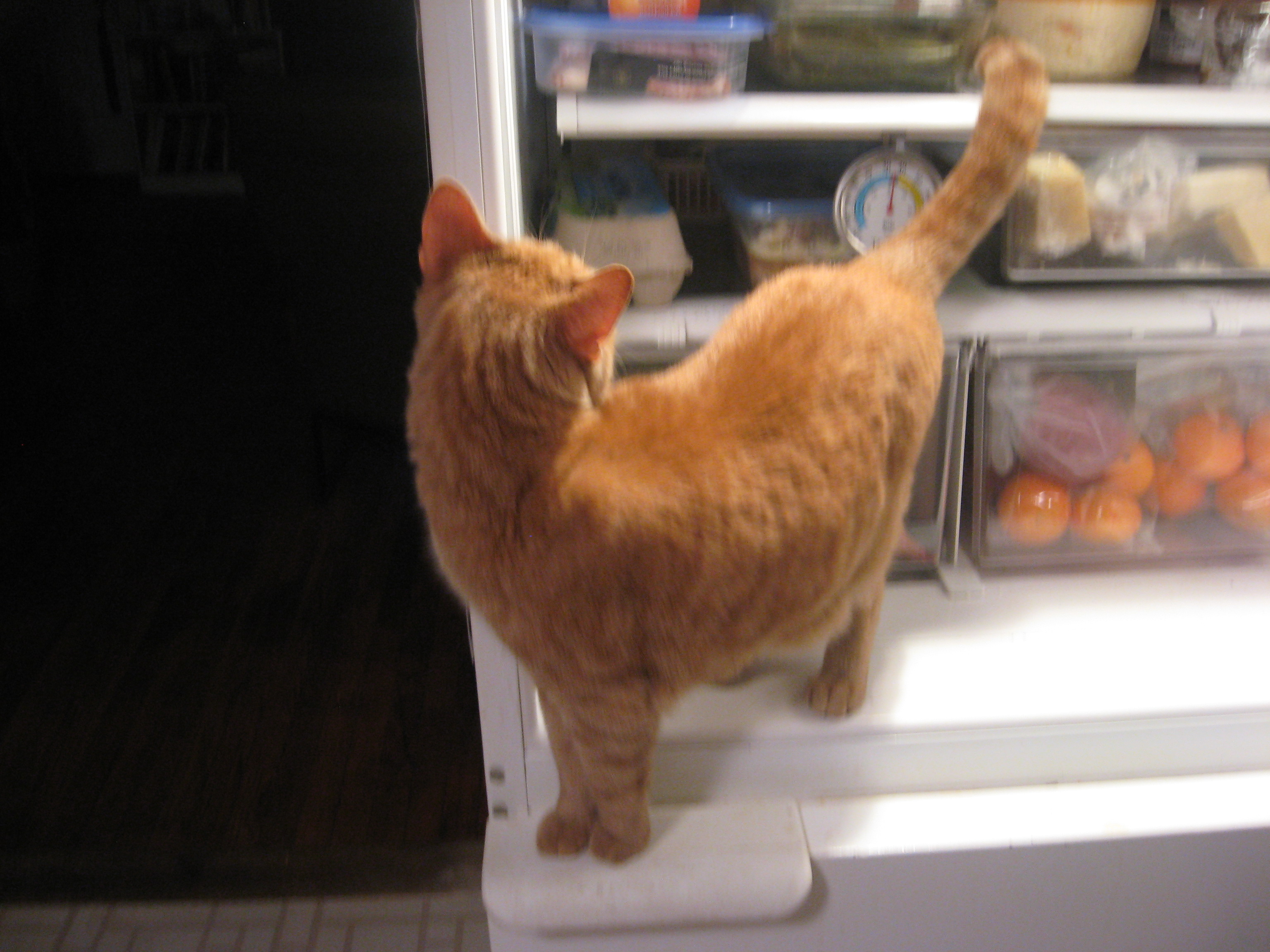
Cat looking into refrigeratorI’m feeling a cold draft–very cold draft–around my ankles!

I know I’m not dreaming though it’s the middle of the night or somewhere in the wee hours of the morning–I’ve come to the kitchen (without turning on the light) to get a drink of water. . . .

Cold draft? Really, really cold draft–on my ankles.

Reality gradually seeps into consciousness:  I’m standing in front of the refrigerator–which has a bottom freezer, which I have stuffed pretty full.. . .

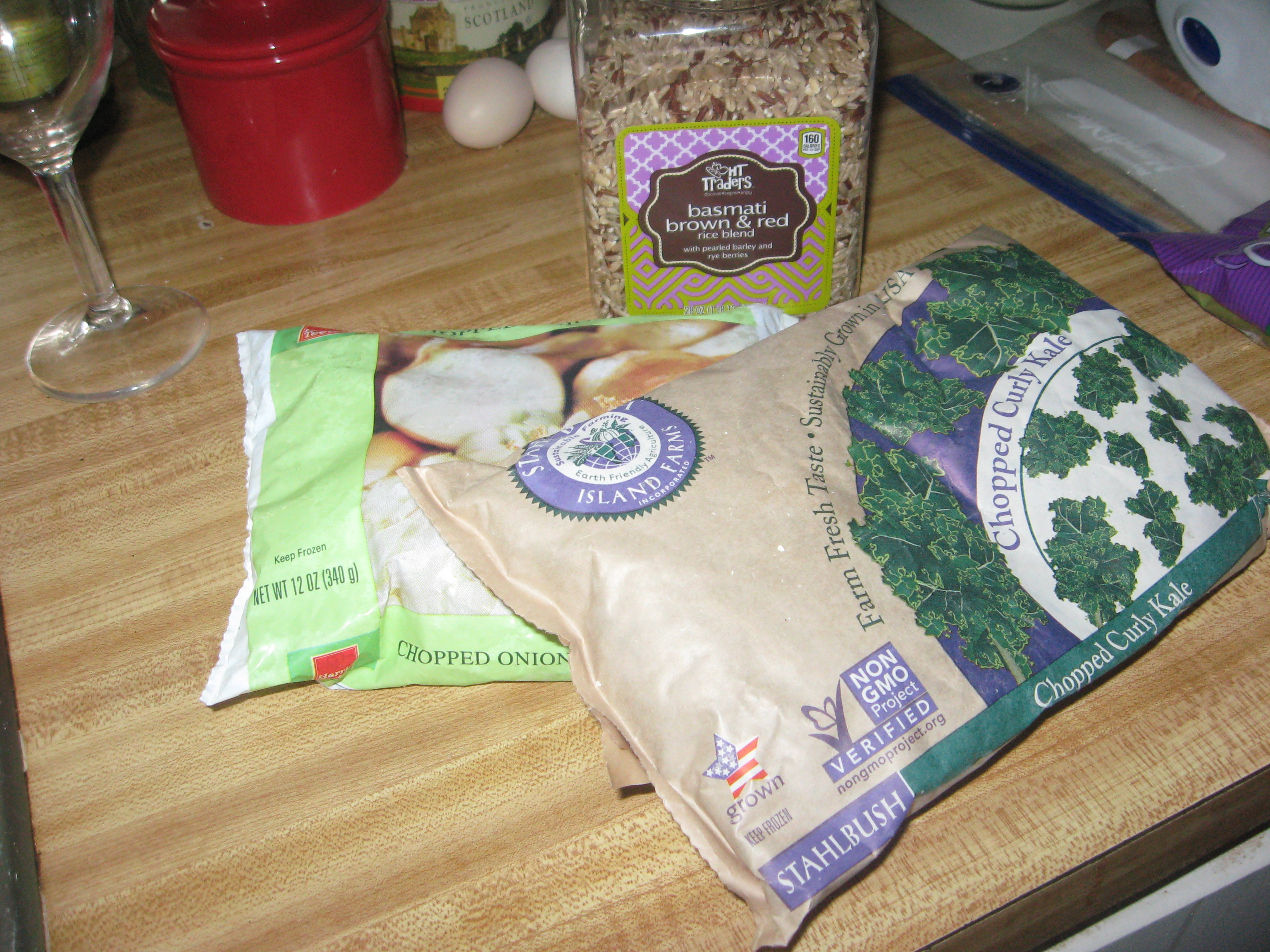
Light on. Obviously I’ve stuffed the freezer a little too full or something has fallen out of place. The freezer door is very slightly ajar. Even in my rather sleep-befuddled state, brain clicked on. Several epithets which should not be printed. Open freezer door and palpate the front packages: kale, butternut frozen onions, kalesquash, chopped onions. Soft, but not obviously completely thawed, but destined to turn into a huge clump of re-frozen vegetables.The only meat even close was a game hen which was still hard as a rock.

I closed the freezer door and checked that it shut completely, and tightly. Back to bed, knowing that I would have to do something with those veggies in the morning. (The ice cream was far enough back and in a corner that it was still hard or I guess I’d have been compelled to eat it right then and there–hmmmmm, should I go do a careful check on the ice cream?)

Morning after: I’ve got work that that to be done NOW so spending a bunch of time in the kitchen or skulking through cookbooks isn’t on my agenda. It’s time for some improvisation: take chopped onions, chopped kale and cubed butternut squash. . . .add some bratwursts that are in the fridge. Add a portion of mixed grains (brown basmati rice, red rice, barley, rye berries) and one multipurpose rice cooker.

I’m sure you’re not surprised that I’d resort to the rice cooker, given all the other things I have it to cook. Once you understand the physics of its function, it’s really easy to make it do what you want. So here we go again with the rice cooker.

Ò¿Ó

Kale, butternut squash with bratwurst

Cook’s note: first this is not a recipe–it’s an improvisational happening. Secondly, it’s recommended that you deliberately thaw the vegetables in the refrigerator or on the counter instead of the method described here if you wish to have them unfrozen. You can put frozen vegetables in the rice cooker without thawing unless you have a great big blob of frozen stuff. You can adjust the proportions of kale, onions, and squash as desired.

Ingredients

  • one standard-sized package chopped kale, thawed
  • one standard-sized package chopped onions, thawed
  • one standard-sized package butternut squash, cubed
  • 4 fresh bratwursts
  • 1 tablespoon olive oil
  • 1/2 teaspoon salt
  • 2-1/2 cups water (or amount called for in the cooking instructions of your grain)
  • dash of red pepper flakes
  • 1/4 to 1/2 teaspoon of oregano or herb of choice

Preparation

  • add olive oil to rice cooker bowl
  • add thawed onions and let sauté briefly
  • push the onions to the sides of the rice cooker
  • lay fresh sausages in a single layer and then redistribute the onions evenly over the bottom and partly over the sausages; they will brown lightly on the side in contact with the bottom of the rice cooker bowl
  • add 1 cup of grains
  • add kale and distribute evenly over grain and sausages
  • add red pepper flakes and herbs
  • add scant 2 cups of water; your rice cooker may need more or less, adjust as needed
  • close rice cooker and leave until it switches to “warm” function
  • stir contents (grains should be a bit underdone)
  • add remaining water
  • add butternut squash on top of greens, grain, and sausages
  • close rice cooker and leave until it switches to “warm” function a second time
  • check doneness of grain; if needed add a bit more water and wait again
  • when grains are cooked as you like them, serve!

Ò¿Ó

Despite the ridiculous circumstances that gave rise to this recipe, it was very tasty, and I’m sure some version of it will be made again. The combination of kale with the butternut squash was delightful. The combination of grains gives some interesting texture and flavor to the dish.

A son goût!

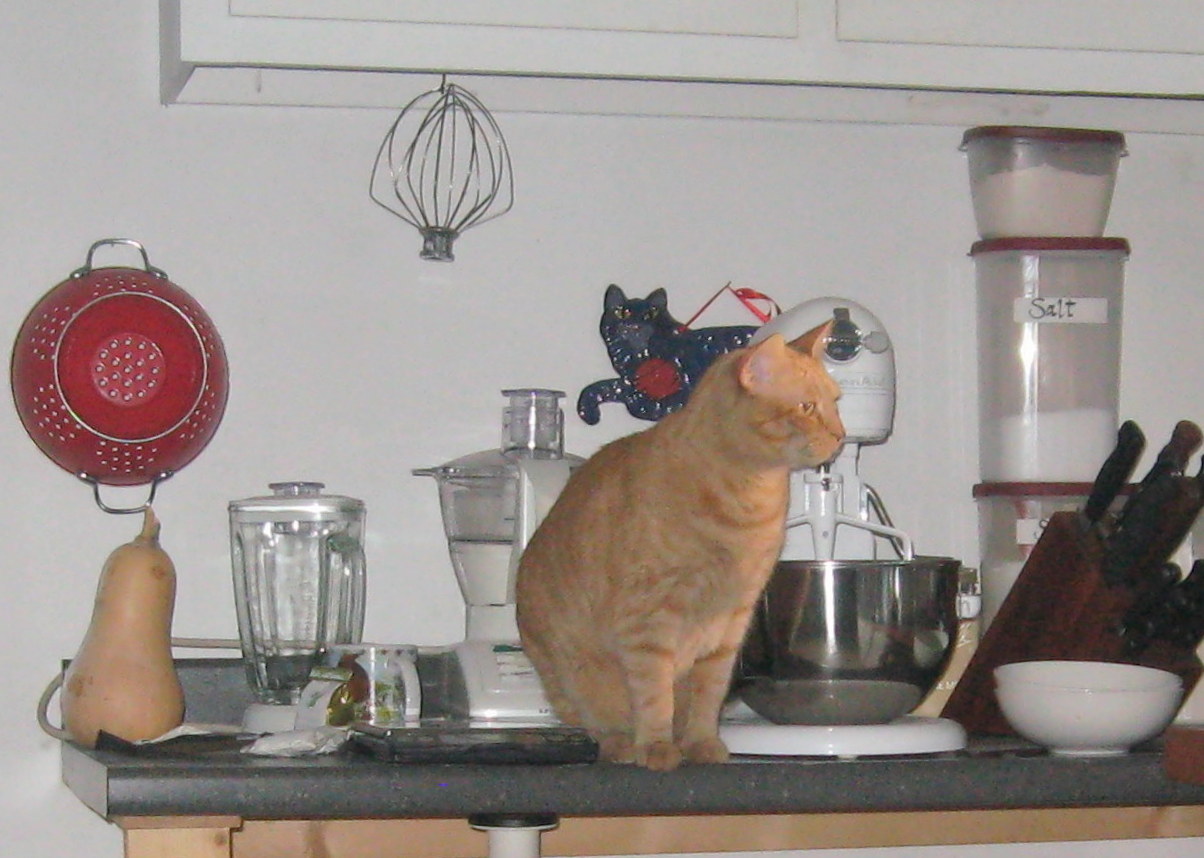
cat on kitchen counter