Fig and fennel caponata!

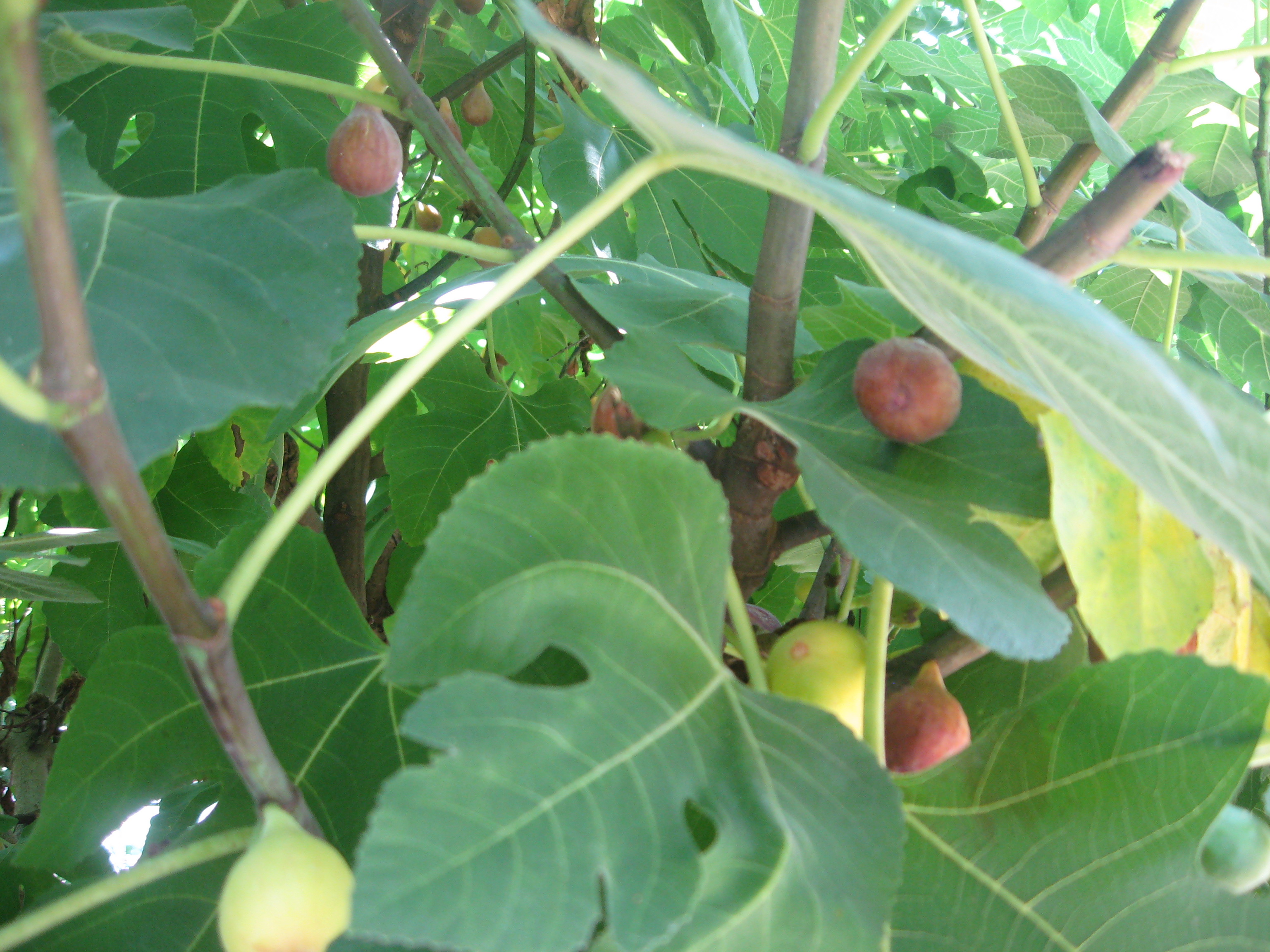
figs on tree

ripe and unripe figs on tree

My kitchen smells SO good right now–fennel, oranges, garlic…tartness of balsamic vinegar….

I’ve finished the most recent BIG indexing project, and I’m supposed to be deep in course preparation for my medical terminology courses that start a bit after mid-August.

I’m playing hooky from that for a bit.  I found a recipe for fig and fennel caponata that wouldn’t wait.  You’ll find the recipe at jjbegonia.com.

Caponata of any sort is one of my favorite summer things, no matter how served, and this was a combination I just had to try. Though mostly we think of caponata as a dish made with eggplant, tomatoes, etc., it is really a cooked vegetable salad–and as much as I love fennel and figs, I just had to try this one NOW.

I took a few liberties with the recipe, but I think that I kept to the spirit–the flavor was certainly good.  The only real modification I made was to substitute diced (drained) fire-roasted tomatoes for the crushed in purée since that’s what I had in the pantry, and after tasting, I added more figs. Whether my figs were less sweet, or my balsamic was more acidic, I’m not sure, but it seemed to need a bit more of the figgy-ness.  I held back most of the parsley since I’m not serving immediately.

Despite my liberties, it’s a fantastic recipe–obviously great on toasted bread just as a nibble (maybe with a glass of cava or prosecco), but I’m looking forward to it as a side for a grilled lamb (shoulder or leg) chop, though I’ll have some left to try on sandwiches as well, and maybe with pasta…and probably to share with neighbors and friends.

(Given that both the recipe from jjbegonia.com and mine were changes from the Barefoot Contessa, here is the link to that recipe for fig and fennel caponata as well. I’ll probably try this when fresh figs are not available, but I do like the freshness of this recipe.)

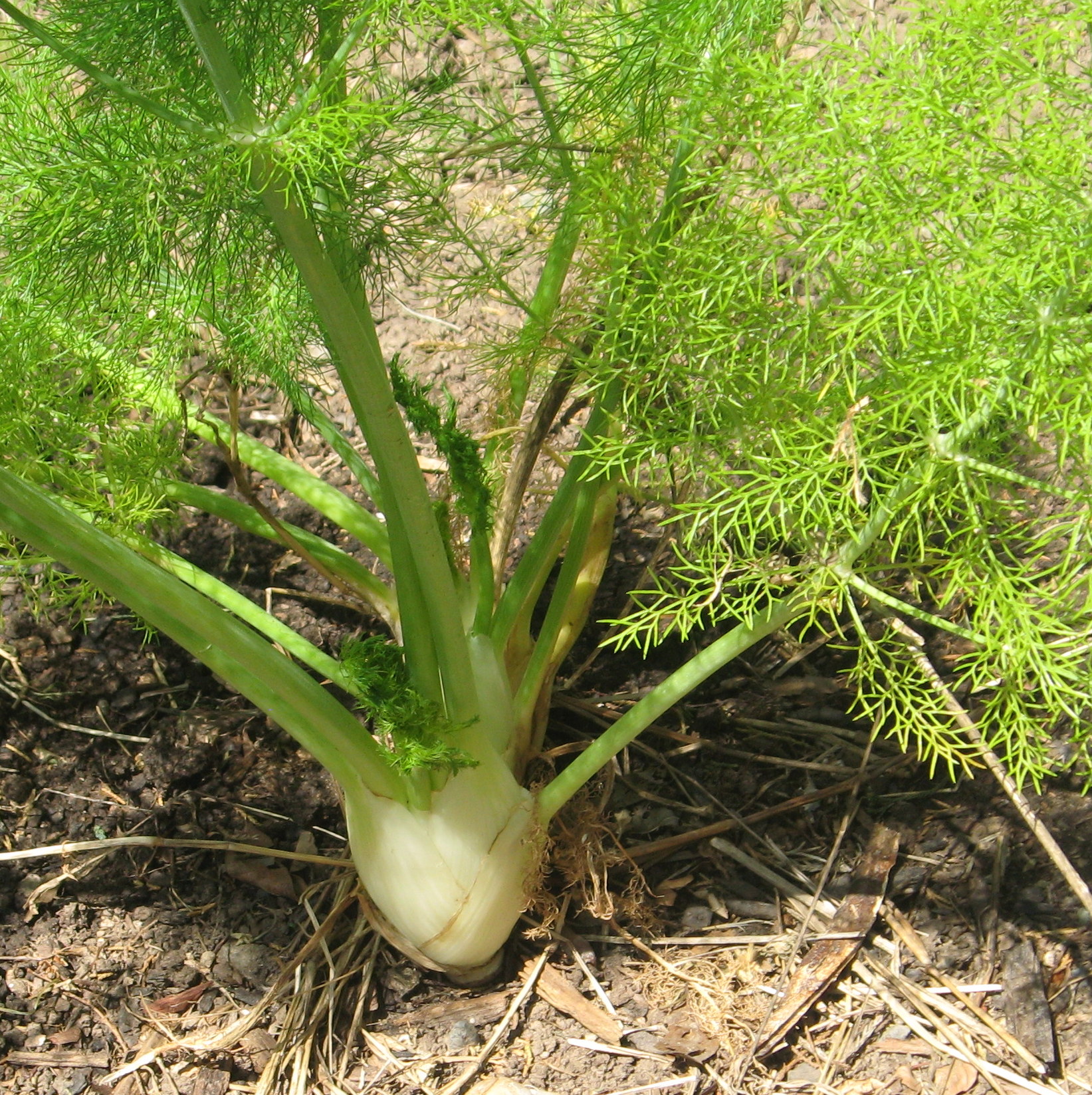
fennel (Foeniculum vulgare)

Foeniculum vulgare

Chocolate is Your Friend

As confirmed chocoholic, I just had to pass this on by reblogging it. Love goat cheese, love chocolate….must try.

Rufus' Food and Spirits Guide's avatarRufus' Food and Spirits Guide

Take two thick slices of ciabatta, slather with goat cheese, top with chopped dark chocolate (an ounce of each per slice) pop in the oven at 350 until they get all gooey, about 10 minutes and viola. If you’d like, sprinkle on some sea salt or sliced strawberries to end.

View original post

Check out this recipe….

We’re into hot, humid weather now so I’m always looking for hearty, meal-type salads.  I just found this one which has gone into my must-try category.  From The Honor System:  Chipotle Chicken Salad.

Sugar plums

I think that these are a special holiday treat. Too bad that we don’t see more of them.

Rufus' Food and Spirits Guide's avatarRufus' Food and Spirits Guide

Despite the title, these little treats are quite dense and spicy, but not overly sweet. Feel free to alter the fruit mix. A number of recipes only used dates and apricots. Most recipes we saw called for using a food processor, but we don’t have one and were worried the blender would gum up on the first pulse. If you have the same dilemma just remember to chop the fruit very fine.

Sugar Plums

  • 1/2 cup pecans, chopped very fine
  • 2/3 cup honey
  • 1 tsp ground cinnamon
  • 1/4 tsp ground allspice
  • 1/2 cup finely chopped dried apricots
  • 1/2 cup finely chopped pitted dates
  • 1/4 cup finely chopped dried plums
  • 1/4 cup finely chopped dried cherries
  • 1/2 cup powdered sugar (aka confectioners’ or icing sugar)

Combine nuts, fruits and spice in a large bowl. Using a wooden spoon or rubber spatula, mix in honey stirring to coat evenly. Pinch off teaspoon-sized…

View original post 19 more words

GMO or not?

I’ve seen posts on Facebook saying that the PLU codes indicate whether produce is genetically modified or not–wanting more information I did a little searching, including reading some FB posts.  I thought I’d share this commentary on the PLU codes from Snopes.com and the Huffington Post.  It would be nice if it were as simple as looking the PLU code for reliable information!

Quinoa pudding

I’m happily not intolerant/or sensitive to lactose or gluten, but this summer pudding looks like a must-try to me, since I really like quinoa!

foodrefashionista's avatarThe Food ReFashionista

Sweet, cool, soothing, filling, and easy to make—this is a pudding that’s just right for hot summer days.  This dish is also a new version of a versatile favourite. (Earlier warm pudding versions used dried cranberries and puréed pumpkin or squash.)

I keep finding myself coming back to this pudding recipe whenever a possible ingredient makes itself  known: in this case, aging bananas crying out to be puréed.   But bananas are calorie-expensive, my rational mind argued.  But they’d be delicious in this pudding, my stomach-inclined mind replied.  Think of something! 

That something was to tweak the original recipe by using liquid egg substitute instead of whole eggs and almond milk instead of soy milk.  That didn’t make a significant change in taste but it did lower the Weight Watcher points and, hence, calories.  My stomach-inclined mind immediately thought of adding chocolate or coconut, but I ignored it as best I could!

Printer-friendly…

View original post 181 more words

A one-dish meal.

A lot of us eventually reach the point when we realize we are getting a bit rotund (or worse) and start thinking about watching (or losing) weight, or maybe just being more conscious about nutrition.  With several of those things in mind (or should I really say on my mind) I did some web browsing.

I found a website that I’d like to share with you:  A Slice of Nutrition.  I found this through another blog that I follow, My Imperfect Kitchen, that had a post by Avital Greenbaum as a guest blogger–Chicken, Zucchini, and Quinoa. 

One dish meals are very appealing to me–at least some of the time, because I can be lazy, have a good meal and not have to wash lots of pots and pans.  (No, Frankie refuses to do that!)  I’ve had quinoa in breakfast cereals, and things like that but after reading how healthy it is, I decided I need to try it in a main dish and this looked like a great place to start.

Garlic scapes lying next to a basket of strawberries

garlic scapes

I do have to admit that, as well as being constitutionally unable to make a small pot of soup, I seem to be unable to leave a recipe alone when I’m making it.  I did almost follow this one.  Instead of garlic powder, I had fresh, green garlic scapes from the farmers’ market.  Those went it, and I added some mushrooms; otherwise, I left it alone.  This one-dish meal is now in the oven (despite the heat) getting ready for my supper.

Since my veggies are included with the dish, I think that all I’ll need to add is some of those luscious ripe strawberries as dessert!


Baking dish with chicken and quinoa

Chicken, zucchini & quinoa

This is a keeper–only a few minutes prep, and it’s unattended cooking with tasty results. The quinoa is very light–good in hot weather.  I think that it might make some very tasty “salads” with lentils for satisfying summer meals when the weather is sweltering and I want a light meal.

About lentils

lentils in Mason/Ball jar on pantry shelf.

lentils

Lentils (Lens culinaris), closely related to beans and peas, are dried after harvesting; you’ll find them on the shelves of your supermarket, gourmet stores, and online. They have been a staple food in many areas for over 8000 years, likely originating while in Turkey.  They are a staple food for many south Asian cultures, Middle Eastern, and Mediterranean countries.  The Latin word for lentils, lens, was used in the 17th century to describe eye glasses because of the similarity in shape

Like other legumes, lentils are low in fat and high in protein and fiber, but they have the added advantage of cooking quickly.  Lentils have a mild, often earthy flavor, which lets them pair well as side dishes, in salads, and soups.  Lentils have traditionally been used as a meat substitute.  Like other pulses, when paired with grains they offer excellent quality protein in our diet.

Before cooking, always rinse lentils and pick out stones and other debris–usually they are quite free of debris, but it’s always good to check them before cooking.  Unlike dried beans and peas, there’s no need to soak them. Lentils cook more slowly if they’re combined with salt or acidic ingredients, so add these last.  Bigger or older lentils take longer to cook.  Store dried lentils for up to a year in a cool, dry place. Substitutes: dal OR split peas OR black-eyed peas  More varieties are appearing even on the supermarket shelves, but specialty sources offer a wide variety with which to experiment.

The quick cooking and nutritious nature of lentils make them an obvious choice for winter soups. They are also good cooked and chilled for salads or mixed with bread crumbs to stuff vegetables. Blend lentils with middle eastern couscous and use as a bed for seafood and poultry.  Use them instead of beans  for summer salads with fresh tomatoes and other veggies.

Here is a little information about the various kinds of lentils.  More synonyms and alternative names can be found in the Cook’s Thesaurus.

  • Brown Lentils:  The average grocery store lentil is the brown lentil. You’ll likely find these on the shelves with the dried beans.  They tend to get mushy if overcooked.  If you want them to be firm, add oil to the cooking water and cook the lentils just a short while, say 15 minutes.
  • Black beluga lentils are a very popular legume in South Asia, they are used to make a beautiful black lentil soup. Some of the names that they my go by are Beluga lentil = black beluga lentil = beluga black lentil = petite beluga lentil. When they’re cooked, especially in salads with a tiny bit of oil, they glisten so that akes them look like beluga caviar.
  • Petite crimson lentils are “crimson” in color, which is a deep orange-red. These lentils tend to lose their shape when they are cooked and are an excellent choice for thickening soup.
  • Petite golden lentils are a small firm, golden lentil that is rounder in shape than many other  lentils; one of the reasons that this lentils holds its shape so well when cooked.  They have a soft texture.
  • Ivory white lentils are a creamy white colored small lentil that is really a peeled black lentils, known in India as urid dal.
  • French green lentils: (also called French green lentils, du Puy lentils,  lentilles du Puy, lentilles vertes du Puy.)  By many chefs, these are considered the “best”, most delicate lentils.  They have the typical earthy flavor, but also  are a bit “peppery”. These hold their shape well better than many other lentils,  but take longer to cook, but still do not need presoaking. While I love all lentils, and typically have several kinds in the pantry, these are the ones that I would not want to be without!)
  • Red lentils are the common seen in the supermarket.  It’s a lovely salmon pink in the dried form, but it turns golden when cooked.  These lentils cook faster than others.  They’re best in  purées or soups.
  • Spanish pardina lentils (also known as Spanish brown lentils or Continental lentils) are smaller the brown or red lentil–about the same size as a petite green or black lentil.  They have a particularly nutty flavor, and they hold their plump, round shape when cooked. This makes them a particular favorite with e for use in summer vegetable/lentil salads.
  • Dal is the Indian term for peas, beans, or lentils that have been split and often skinned, but the name is sometimes used for all lentils, peas, or beans, or to cooked dishes made with them. Split lentils don’t hold their shape well, so they’re often cooked into soups or purées.

Most of these can be interchanged in recipes as long as you take into account how quickly they cook and the final textures–some are softer than others. Generally the split ones tend to lose shape faster, so don’t do well for salads, or side dishes where you want them to keep their shape, but will be fine in soups–especially if you’d like your soup to be a little thicker.  Any of these would work in the lentil soup recipe that I gave earlier–though I usually use the lentils du Puy even for that.

Aside from using them instead of beans in summer salads, I think that lentils make an awesome side dish to go with grilled salmon–there’s something about the earthy flavor that combines SO well.  If you have “leftover” grilled salmon, try using it with some lentils to make a cool, but hearty summer salad with some tomatoes and cucumber to it.  Combined with a grain, this can be a very nutritious vegetarian dish–or not.

Here is a link to a lentil salad that makes me drool on my keyboard just looking at the recipe:  Warm Salad of Lentils with Duck Fat from the Hudson Valley.  Love’s description of the lentilles du Puy is marvelous.  (Each time I cook duck, I carefully keep some of the fat, sealed and refrigerated to use for things like this.)  Add some greens, and this is a one-dish meal that’s in my group of comfort foods.  Lentils will also work in the sausage, beans and greens one-dish meal.

Lots of uses, quick-cooking, nutritious, tasty, inexpensive…what more could you want?  Try some!

Under-appreciated vegetables: celery

bunches of celery in the Harris Teeter produce department

celery

It seems that celery is a problem for many of us who do single-serving cooking!  I’ve seen comments to that effect in several cookbooks dedicated to cooking for one.  One of my “things” to do with that head of celery is to make mirpoix or soffrito and stash it in the freezer so that I’ll have it to facilitate making a quick meal.  That works, but you need only so much of that in the freezer and how many celery sticks can you munch on?  Buying the precut celery stick is the produce department is NOT  an option–they keep even less well than the whole head of celery.  Admittedly, I like celery ribs stuffed with peanut butter and pimento cheese, but again, how many can you–or should you–eat?  Or, buy it off the salad bar at the supermarket–but then you may not have it when you need it unless you’re willing to make a trip

One thing that I’ve found helpful is to store the celery in a partially open zipper-lock bag with a paper towel that’s been dampened and then squeezed as dry as possible.  This extends the storage time, but still I end up tossing a lot of celery on the compost heap.  There must be a better solution.

I think that perhaps the best solution to this is to recognize that celery is a vegetable with nutritional value and learn to use it as a vegetable and not just as a seasoning.  Until I started this research I was not aware of many recipes treating celery as a vegetable on its own.  (I’m not including its use in salads or as a snack, or even to add crunch to caponata.)  I’ve been looking for more celery recipes.

My first stop was my favorite vegetable cookbook (note that I did not say vegetarian cookbook), The Victory Garden Cookbook (see bibliography).  I was amazed at how many recipes were given for celery–I think that this goes to show my  under-appreciation of celery!  (Yes, I know it’s popular in stir-fries, too–but there’s a recipe for a stir-fry of celery as a veggie!)

There are recipes for braised celery (p. 79-80), celery slaw (p. 78), and salads (Celery Antipasto p. 78 and Celery Rice Salad, p. 78) as well as the expected Cream of Celery Soup (p. 81) I found a Chilled Celery-Lemon Soup (p. 81) that certainly looks intriguing as a way to use celery as a vegetable. There are other recipes here that look as if they have potential for celery as a vegetable.  (At least go to the library and check this book out and try some of these.)

I went to Eat Your Books and ran a search on the books that I’ve added to my bookshelf.  Turned out that there were lots of recipes for celeriac (later discussion), but I did not find many for simple stalk celery; here are a few of the ones that I did find:

  • Celery à la Grecque (Céleri à la Grecque) from Mastering the Art of French Cooking, Volume One by Julia Child and Louisette Bertholle and Simone Beck.
  • Braised celery stalks with onion, pancetta, and tomatoes from Essentials of Classic Italian Cooking by Marcella Hazan
  • Braised and gratinéed celery stalks with Parmesan cheese  from Essentials of Classic Italian Cooking by Marcella Hazan
  • Risotto with celery from Essentials of Classic Italian Cooking by Marcella Hazan

If you feel like trying this approach to the celery crisis that often afflicts those of us who do single-serving cooking here is a starting point–all it really takes is a trip to the library!  If you do an online search you need to search for “stalk celery”, “rib celery”, or “celery stalks” or you will probably get lots of recipes for “celeriac” or “celery root” which is a great vegetable, but likewise under-appreciated in American every-day cooking!

Another solution might be to search for recipes for Florence (bulb) fennel and substitute celery in some of those with possible changes of seasoning.

That is not a lot of recipes–I think that it likely reflects celery as seasoning, not as a vegetable, but I think well worth exploring.   Have celery–I’m going to experiment.  I’ll keep you posted!

A son goût!  

Pumpernickel with seeds

sunrising through trees

morning through the kitchen window

I’m sitting here this evening, writing and waiting for the first loaves of the pumpernickel from the Healthy Bread in Five Minutes a Day (p. 115) to come out of the oven.  I’ve peeked in and they look good and smell wonderful!

(Why does it seem that it takes so much longer for bread to bake once it smells so good that your practically drooling on the keyboard? I just know that one of these loaves is not going to get to cool as it should even though I know cutting it immediately will not help–that’s one of the reasons I like baking two smaller loaves–I can treat myself, and still have good bread for sandwiches.)

Waiting, and not very patiently….

Just because of the way that I use bread, I’ve baked these in the perforated Italian bread pan.  The crust is probably not quite what it would be directly on the baking stone, but it quite good and I have the longer, slightly skinnier loaf, and it’s easier if I want to bake a second loaf to share with friends.

This healthy bread has whole wheat flour, rye flour, and flaxseed meal in it…and I did put in the caraway seeds this time too.  I did tamper with the recipe that was given in Healthy Bread in Five Minutes a Day.  I really do make an effort NOT to play with the recipe until after I’ve made it as given once, but I did not make it this time.

Since I had white whole wheat flour which gives a milder flavor instead of regular whole wheat, my dough wasn’t very dark, and it just lacked something in the kind of “bitter” smell that I’ve liked about that last batch of pumpernickel.  The “missing ingredient was the unsweetened cocoa powder, so I got carried away and put in cocoa powder.

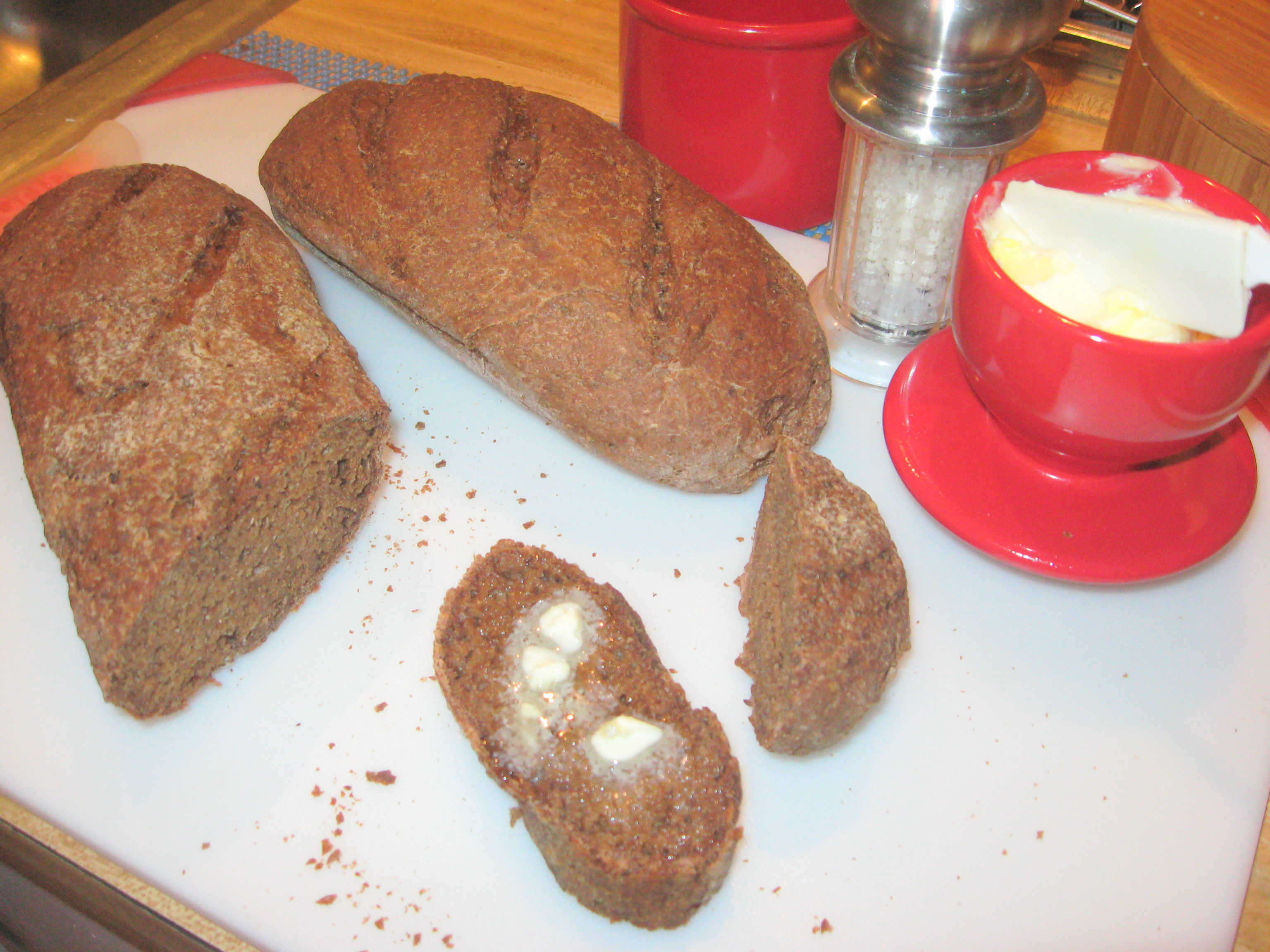
One loaf of pumpernickel bread on cutting board with butter-bellIt’s out of the oven now, and cooled just enough so I can ravage one of the loaves–I’m cutting the one that didn’t rise quite as well, but it’s a keeper.  As you would expect with more whole grain flour, it’s more dense than the first batch, but a good crumb–which I’m sure would have been better had I not cut it so soon.  The flavor is great–the cocoa powder did the trick to take up for the white whole wheat flour, and I think that the flaxseed meal is really undetectable.  The amount of caraway seed called for in this recipe was only 2 tablespoon for four loaves–so it stays as a kind of “dark” background flavor.

This will get made again–with the modifications.  I think that I can work with this (without caraway) to try to get the Russian black bread recipe (the Smitten Kitchen) adapted for the no-knead technique. (It’s not just that it’s no-knead–I have a KitchenAid® mixer.  The real attraction is that I can have this dough in the fridge for a long time–10 to 14 days–and have freshly baked bread quickly and often, too.)

I’m now enjoying my warm (actually, hot) freshly baked bread with some unsalted butter and a light sprinkle of sea salt since the butter has no salt.  I do have some radishes in the fridge to have a radish sandwich tomorrow after the bread has really cooled!  That will be time to break out the bubbly!

one whole loaf and one cut loaf with slice of bread with butter.

…A son goût!