Another informative post on an underutilized and versatile food source. Even if you don’t wish to take the pledge, please read! Look at the nutrition data. If you cook your own, the preparation may take planning and time but it’s not labor intensive. Canned beans are an option to help use this food group.
Category Archives: Websites
Parsnip Frittata
Source: Parsnip Frittata
Crystallized Honey
Since I’ve been posting about my bees, I want to share/reblog this post for all the honey fans out there.


My friend Jannine brought me a jar of her crystallized honey for the holidays. It is so good! It got me to do a bit of research on why some honey crystallizes and some doesn’t. First of all, it does not mean that it has “gone bad”. Honey has a very low moisture content which deters bacteria and yeast, so it rarely if ever spoils. It turns out that the main reason honey will crystallize is due to the proportion of fructose and glucose, the two main sugars in honey. And this comes from the source of the honey. Honey that is high in glucose ( and lower in fructose ) will have a tendency to crystallize sooner than the honey that is lower in glucose ( and higher in fructose). Honey that comes from nectar from apple, goldenrod, sunflower, alfalfa, dandelion, mesquite and chamisa is high in glucose and will…
View original post 100 more words
eating mindfully
Right along with trying to avoid waste, the French Paradox should make us think more about what and how we eat.
attacking the problem of food waste in france
Gallery

This gallery contains 3 photos.
Great post with links to more provocative reading. We all need to think about our food, the consequences of how much we waste and ways to make better use of food resources.
Greek Lamb Casserole
In the chilly, grey, damp weather we’re having now, I see this in the near future! Making the shopping list for tomorrow.
What I learned in the kitchen
Source: What I learned in the kitchen

I found this while perusing the blogs that I follow (Cooking without Limits). If we were to follow these in the kitchen, cooking might cease to be frustrating, and something that we don’t want to do.
Quince Ratafia and Other Home-made Hooch
This really says fall.

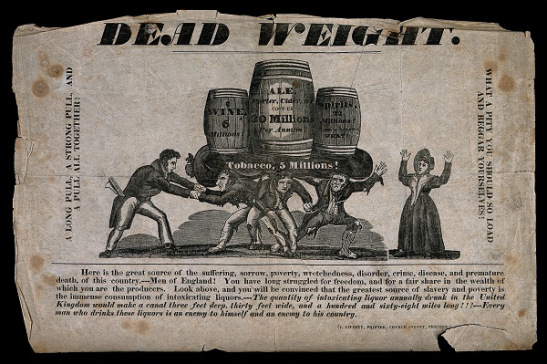 Picture: Wellcome Library, London.
It is not illegal to own a still in the UK but it is illegal to make alcohol unless you have a distiller’s licence: I believe penalties for a first offence include a fine of up to £6,500, five years in jail or both. I would submit that this draconian punishment has more to do with the tax man than it does with any temperance movement. There’s nothing to stop us, though, buying booze someone else has made legally and putting our own spin on it.
Sloe gin is an annual favourite. Last year we made bullace gin for the first time and it is stonkingly good, alone or as a cocktail ingredient. The blood orange shrub (an old name for an an acidulated alcohol) is a bit too marmalade-y for my taste.
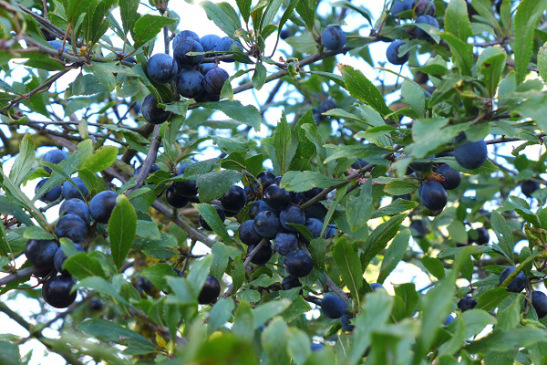
The general rule of thumb when making sloe or bullace gin (or vodka or…
View original post 255 more words
Honey Bee Highways
I’ve been having a “bee binge” today–a look into my hive (which appears to be thriving) yesterday had an effect somewhat like the arrival of seed catalogs in winter–got me thinking about next summer, which engendered a search about producing comb honey. While I was searching, I found this post. It’s just too good not to pass on.

 This is how Canadians set out baskets of flowers for bees.
Norway – the 2nd most liveable country in the world* – has yet another feather in its woolly cap. Or super on its hive, if you will. The Norwegians have a Honey Bee Highway. That’s a trail of flower pots brimming with bee-friendly plants. (As opposed to bee-unfriendly plants like venus flytraps.) But no highway is ever perfectly paved, so there is a website which Oslo residents may visit to learn where the gaps in the beeway are. (The site is hosted by little Polli Pollinator, a nondescript creature who introduces herself with: “Hei! Jeg er Polli Pollinator!”) The idea of the bee highway is to provide bees with natural pollen at stations located no more than 250 meters apart.
Very well, then. Norway’s honey bee highway is strewn with stuff that Polli is expected to love…
View original post 441 more words
Thyme and Black Pepper Crackers
These sound just incredible–and easy!

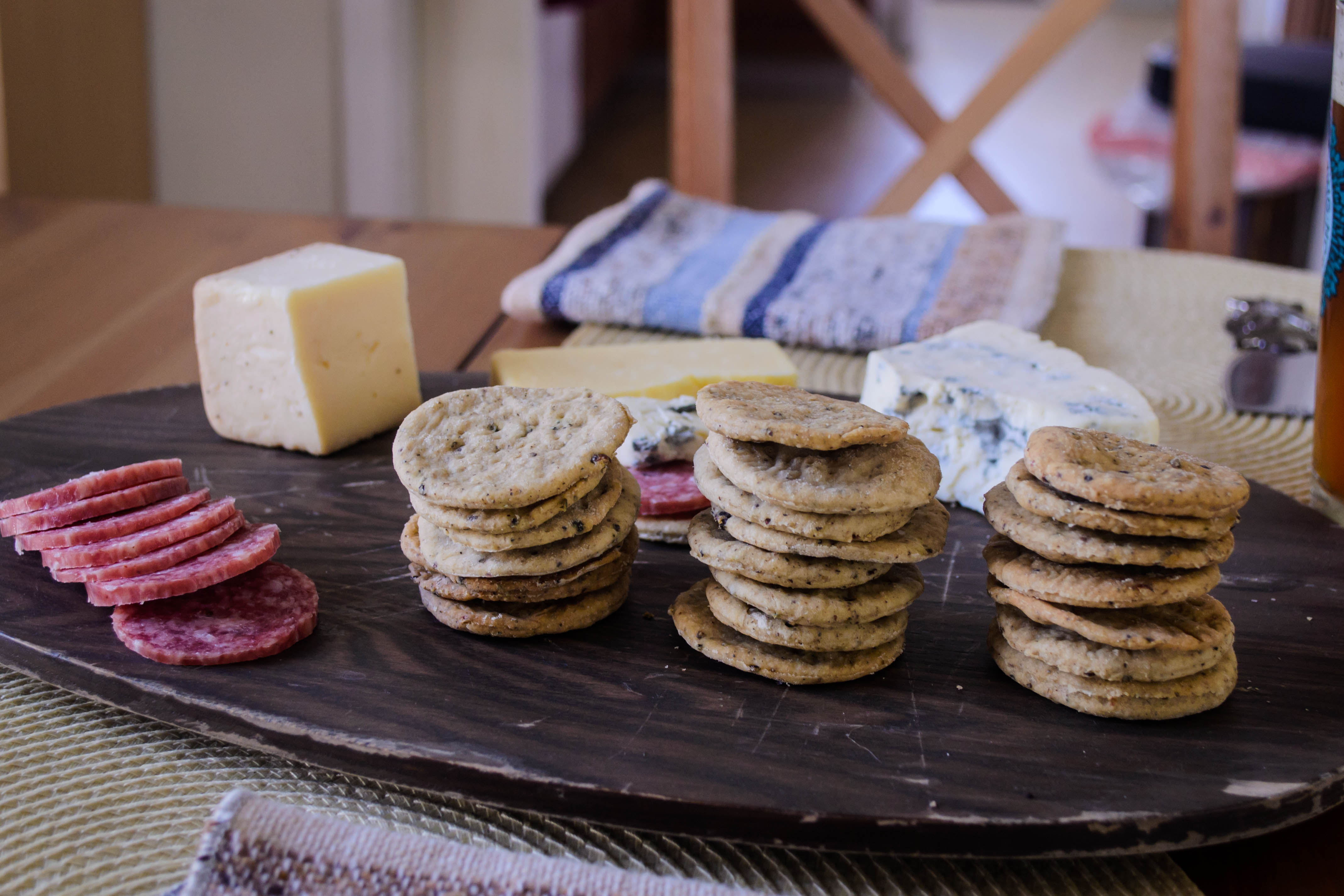 Over the past few years, N. and I have made it our business to conclude the week with a happy hour – we load some cheeses and crackers on a plate, sometimes some sliced cured meat, sometimes a few dried figs – and pour something cold and alcoholic into a frosty glass. Through this process, I’ve learned that N. loves black pepper. We bought a wedge of cheese crusted in black pepper once as an experiment, and I think since then it has been on every shopping list, every week, for about the last two years. More recently, we started picking up variety packs of crackers – the crushed wheat rounds, the chalky water crackers, the rectangles spiked with vegetable bits – and in one variety-pack, a black pepper water cracker. This sleeve always, always disappears first. N. doubles up on the pepper – peppered cheese on peppered cracker. And…
View original post 1,021 more words
 a-single-serving.com