
Sous vide cooking has intrigued me for quite some time–so much that I had to do some trials to see if I really wanted to purchase a special appliance for it. One of my early experiments was with monkfish and then Chilean sea bass. Well I’ve finally purchased a thermal circulator–made the leap to real sous vide equipment. I’ve already cooked several things with the real equipment: short ribs, lentils, and some vegetables.
While I was skulking through my local Harris Teeter supermarket yesterday, I made my usual swing past the meat and seafood cases, and there was monkfish. It somehow seemed appropriate that I try it again with the “real” equipment. So I blew my budget on a lovely filet of monkfish. The butcher (or perhaps in this instance he should be fishmonger) removed the membranes so that I don’t even have to do that!
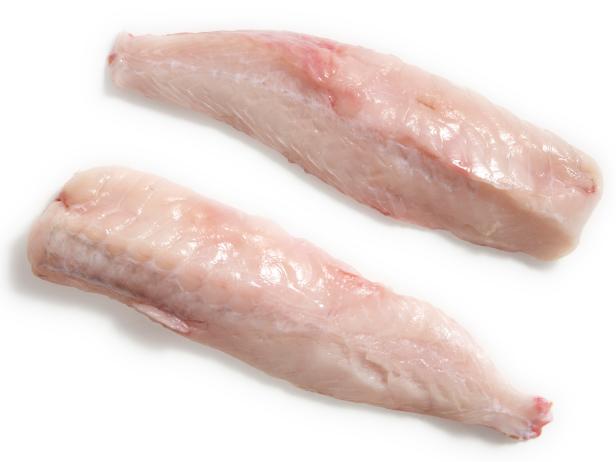
While searching for recipes, I found a wide range of temperatures recommended: from 113°F to 144°F (140°F was what I had used in my first trial). After reviewing the post from Stefan’s Gourmet Blog again since there were descriptions of texture for different temperatures. I love sashimi, but I wanted cooked fish here so after perusing other recipes, I decided to go with 132°F–tender and flaky. This is a lower temperature than what I used with my earlier monkfish (which was wonderful). The filet that I had was really more like two servings, so I cut it in half and I’ll see how it reheats for the second serving. (For single-serving cooking it would be wonderful to be able to reheat something like this.)
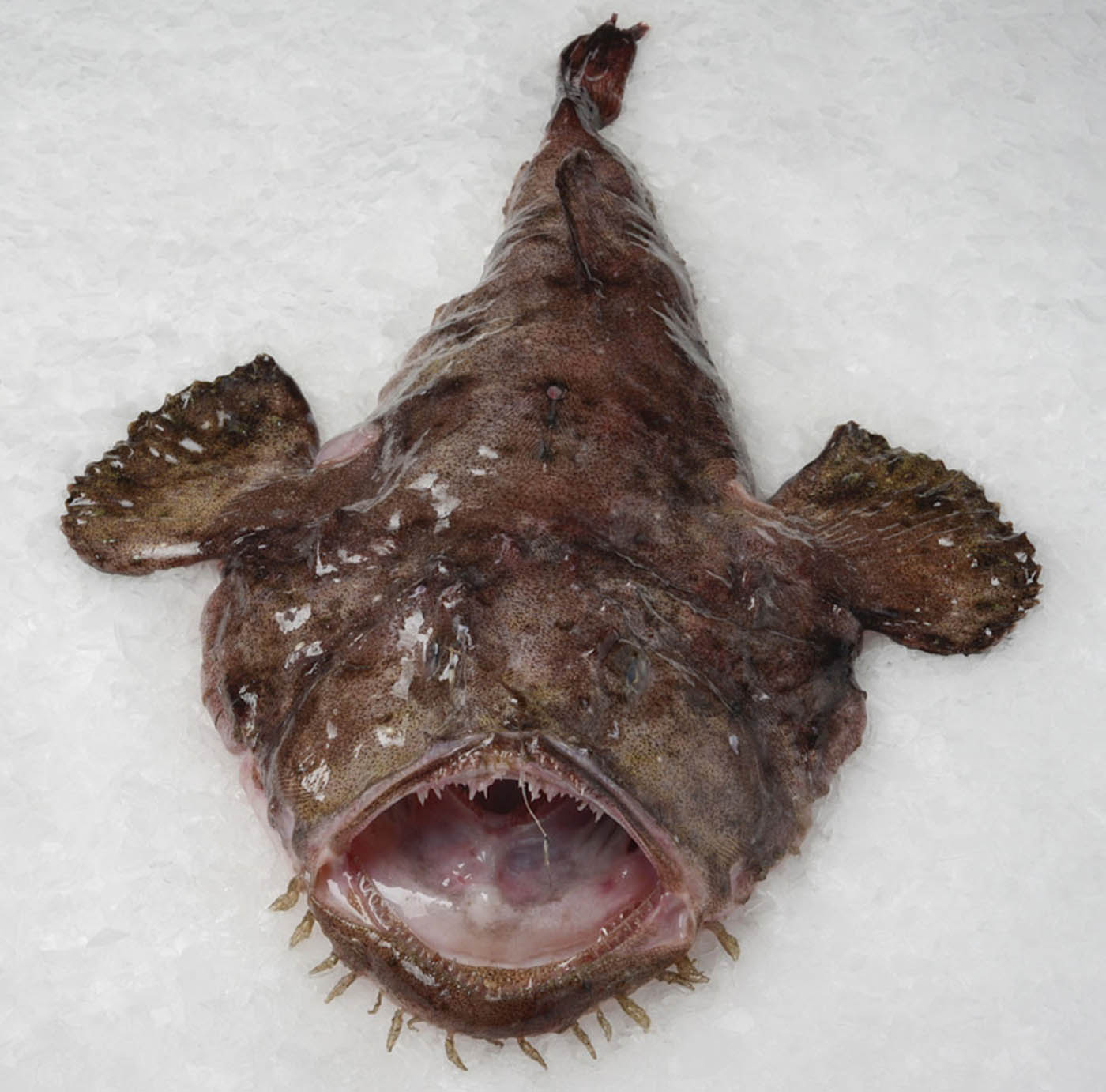
I read in several places that the tail fillets are the only edible part of this fish; however, online see that it is possible to purchase monkfish cheeks, apparently from larger fish. I’ve eaten cod tongues, and cheeks.
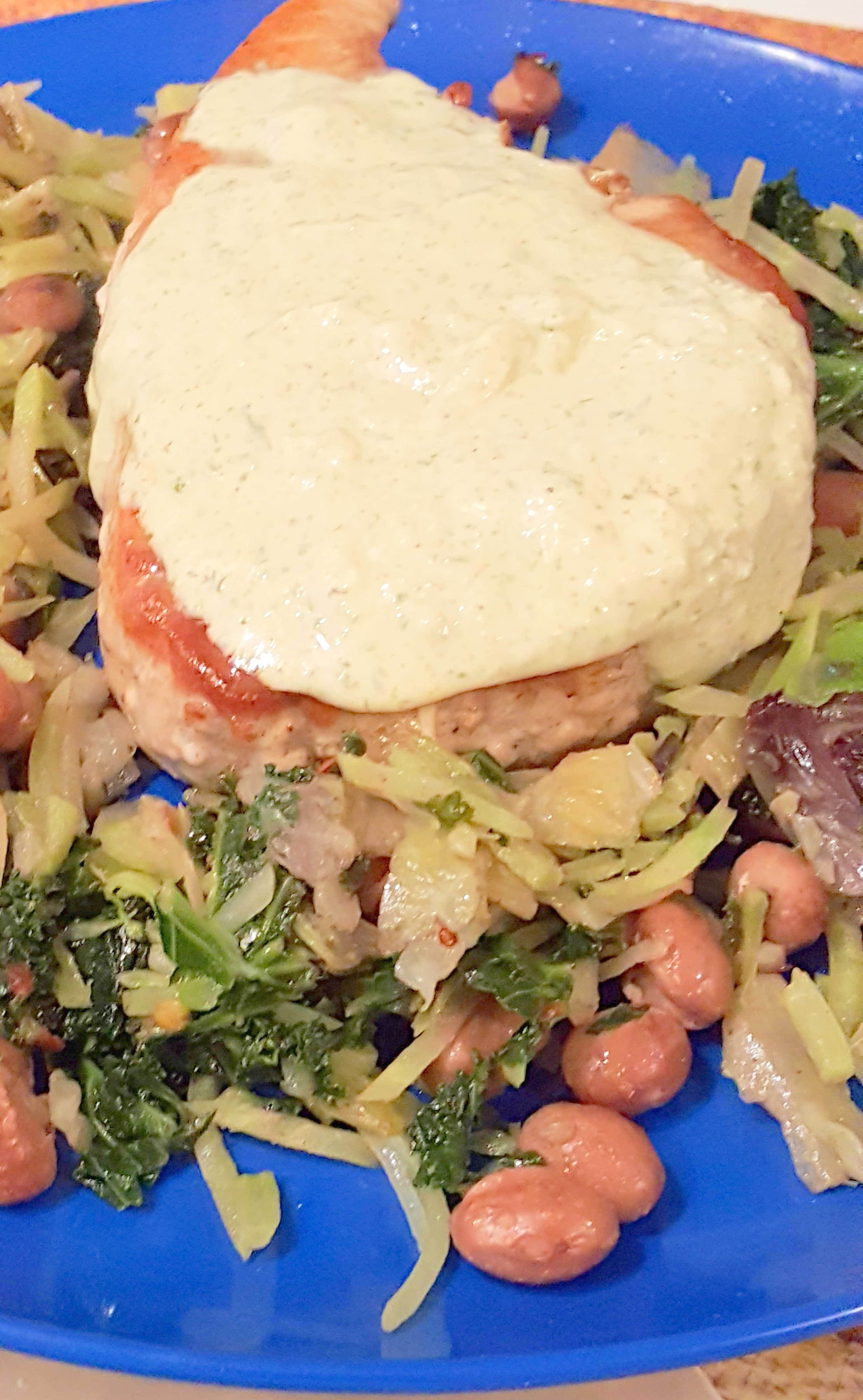
I dry-brined for 30 minutes, and then cooked for 37 minutes with just the salt and some extra virgin olive oil. The result was even better than my first try at the higher temperature. I didn’t try to finish by searing, just added a brown butter sauce with some lemon zest and juice. The taste and texture were wonderful! Next time, although the fish was opaque and just starting to flake, I think I’ll try just a degree or two higher for the next cook–e.g. 133 or 134°F as I’d like the fish to be just a little flakier than this was.
Not pretty, but certainly tasty and one of my favorite fish. This precision control of the temperature has lots of possibilities–a son gôut!
I’ll be reporting on how the other half of the filet tasted after cooling and reheating (although reheated fish usually just, despite my best intentions, is headed for the garbage despite the waste.
—Ô¿Ô—


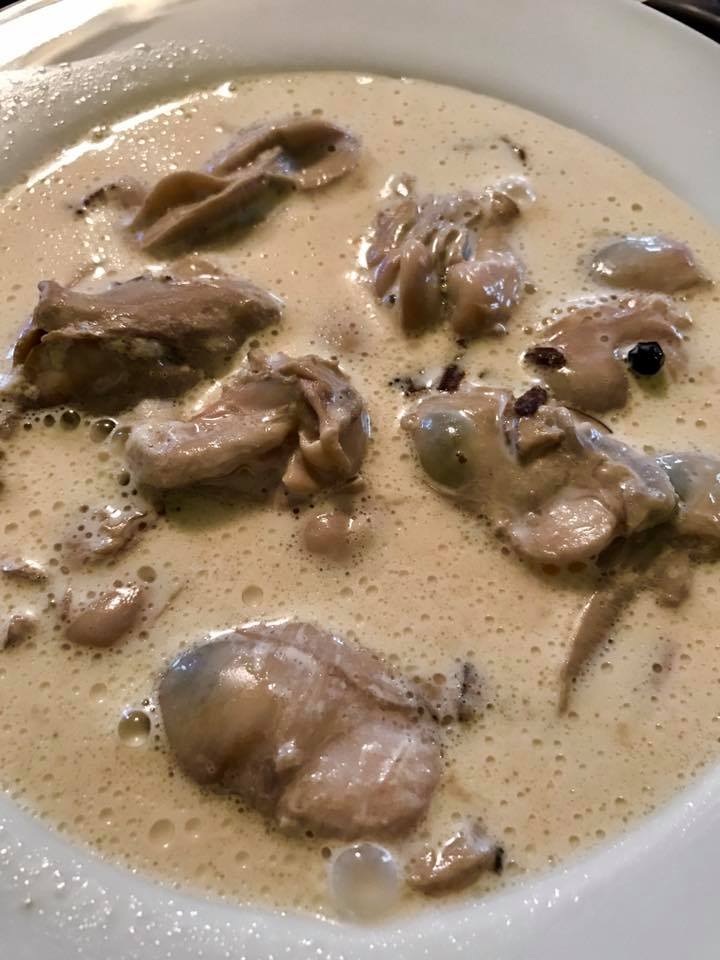 Since my last oyster fest occurred on the same days as the Women’s March, one of my guests couldn’t be here so, since there was a “leftover” truffle, it’s happened again. Fortunately I was able to get more oysters though they seem to be in very short supply around Durham these days.
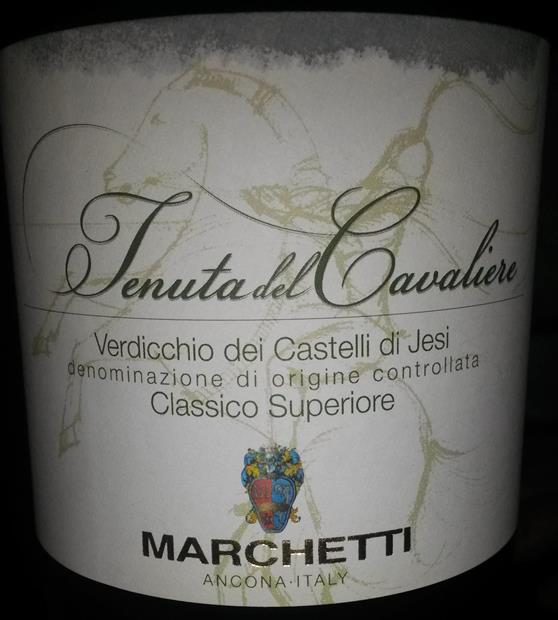 The
The  “Gilles Noblet, Pouilly-Fuisse, Burgundy, France, 2011{sustainable} 100% Chardonnay EXOTIC FRUITS, DRIED CITRUS & WHISP OF VANILLA Thirty year old Chardonnay vines provide the heart and soul of Noblet’s Pouilly Fuissé, right from the village of Fuissé. This area was originally comprised of negociant producers and Gilles Noblet was the first in his region to independently bottle his wine under his own name. This style is racy, rich and elegant with hints of kiwi and pineapple fruits. The finish goes on and on and on… Serving Suggestion: White Burgundy is the home of Chardonnay and this one is extremely versatile. A perfect match for dishes with heavy cream sauces.” From
 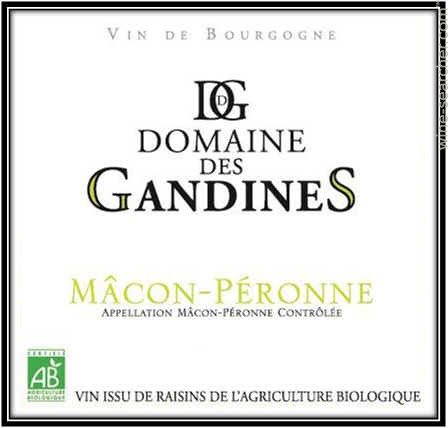 “100% Chardonnay FULL & FLAVORFUL, LEMON, HAZELNUT, CARAMEL. SERIOUS! Gandines really surprised us with this compelling, and serious White Burgundy. Fully ripe and lush, but with juicy acidity and complex minerality. This kind of power usually comes from the big boys north of the Macon in the Cotes de Beaune. Aged in enormous 3000 liter old oak barrels that soften the wine without giving it any oak flavor, it is possibly the most impressive Chardonnay available at this price! Serving Suggestion: Steamed or raw oysters. Black sea bass poached in olive oil with fresh thyme. Roast turkey with truffles or chanterelles.” From
 a-single-serving.com