Apricot and Ginger Tarte Tatin

I’d love to get my hands on some really good apricots! The ginger with this sounds yummy!

Linda Duffin's avatarMrs Portly's Kitchen

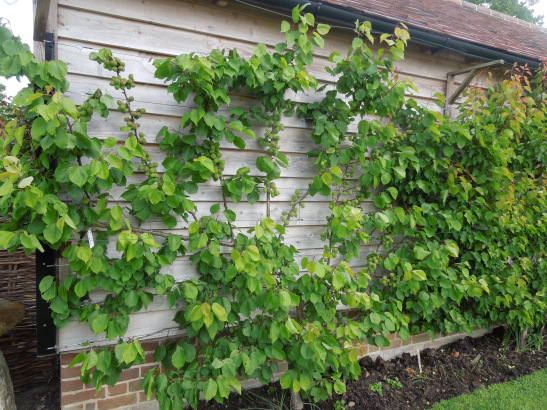
Image of Howard's apricot bushes

I experienced serious fruit tree envy recently when visiting Kenton Hall in Suffolk, home of the McVeigh family and their longhorn cattle. It’s also home to Aunt Paddy and Uncle Howard, possessors of a lovingly-tended kitchen garden and crucially, of three or four espaliered apricots. Howard is rightly proud of them and says they produce a good crop of fine-flavoured fruit.

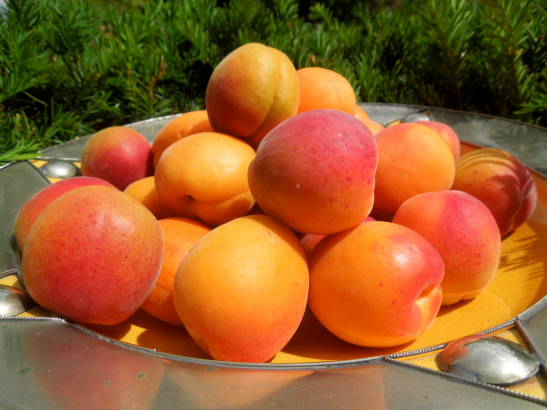
We have apples and pears, plums and gages, quince and cherries, blueberries, strawberries, raspberries, tayberries, gooseberries, red-, white- and blackcurrants and something Dutch I can never remember the name of. What we don’t have are any apricots, so I was well jell, as my nieces and nephews probably wouldn’t be caught dead saying. I did, however, manage to source a few punnets in our local Co-op.

Image of bowlful of apricots

Usually I make apricots into a conserve, which is without a doubt the most popular jam in the Portly preserve cupboard. This time…

View original post 72 more words

Herb-infused oils and vinegars

I’m always glad to see spring and summer (despite hating hot and humid weather) because of the fresh herbs. Maintaining the herbs on my deck involves keeping them cut back so that they do not bloom–I want peak flavor all summer.  That involves taking the scissors to them and cutting off about one-third of the plant, so that they will stay nice and bushy.

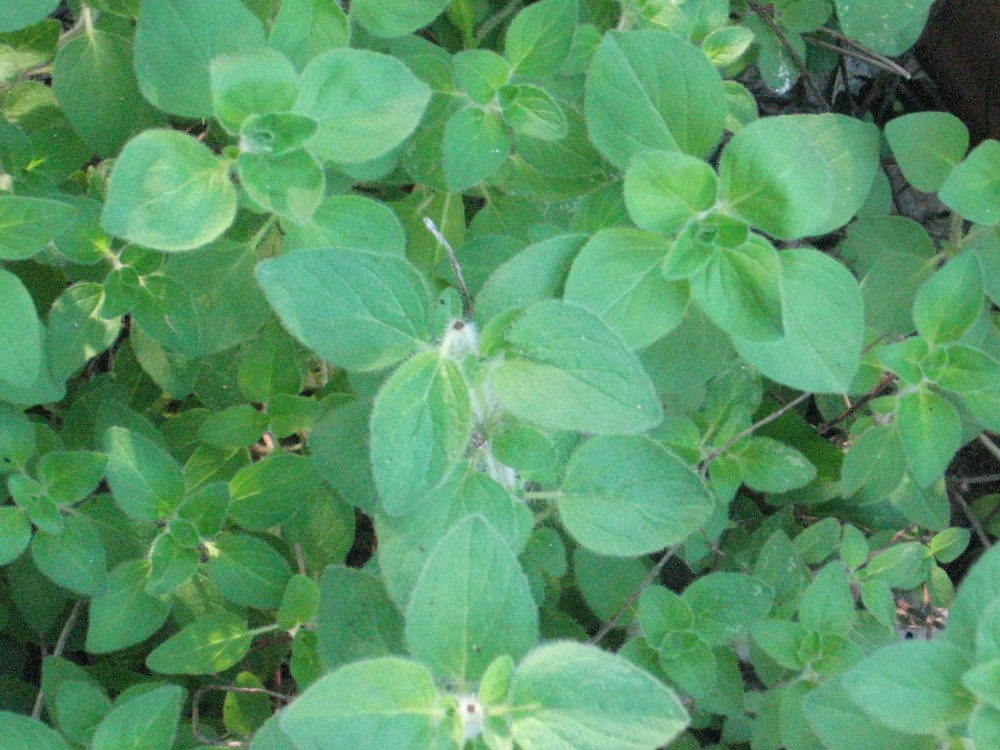
Greek oregano (Origanum vulgare, subsp. hirtum)

Greek oregano (Origanum vulgare, subsp. hirtum)

Even though it’s good maintenance, I just hate to throw away all those fresh herbs, so I often make flavored oils or vinegars with the trimmings. I love having a supply on hand for salad dressings, dipping, or whatever.

When I make infused oils I want strong flavor that I can use in many ways. I use plain vegetable oil and extract my herbs in heated oil at about 180° to 200° Fahrenheit, checked with an instant-read thermometer.  I either use my tiny “baby” slow cooker and let the oil infuse in that for several hours or use the microwave oven on low or defrost, then strain. This gives me very strongly flavored oils that I dilute with other oil depending on how I plant to use them. Once strained, I store in the refrigerator or freezer.

I’ve made infused oil from a lot of different herbs–oregano, marjoram, thyme, rosemary, sage, even epazote–or mixed herbs. I haven’t tried cilantro, but after reading the post on Chef Mimi Blog I want to give that a try as well.

This hot weather reminds me that it’s time to make lemon oil again. I  do this in the summer, removing the zest for the oil, then using the lemons to make a big pitcher of lemonade and sip that on the deck while the oil infuses in the slow cooker.

With oils made from fresh herbs, we need to be aware of the potential for botulism since Clostridium botulinum can thrive in oils like this. Any fresh herb or vegetable has the potential of carrying C. botulinum, and it requires high temperatures to kill the spores or to destroy the toxin so we need to be particularly careful about keeping them refrigerated.  Tips for prevention are given here and here.

Homemade Chipotles in Adobo Sauce

I just have to pass this along–chipotle peppers are something I use rather often. I think this will beat the tinned ones from the supermarket.

StefanGourmet's avatarStefan's Gourmet Blog

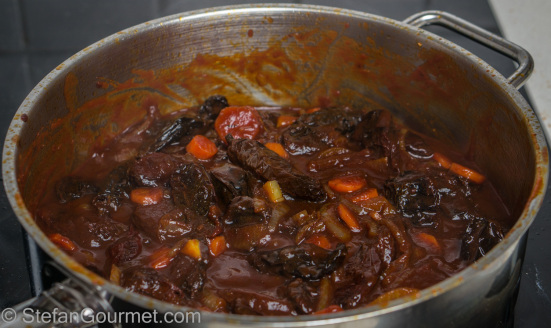
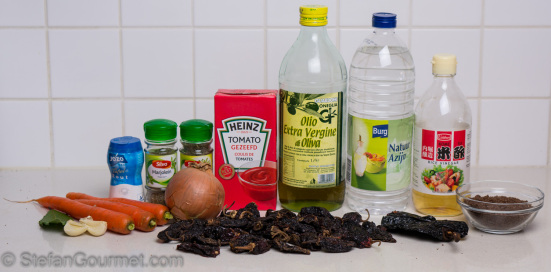
DSC07025
My favorite kind of chiles are chipotles because of their smokiness. Chipotles in adobo sauce, a sauce made from tomatoes and ancho chiles, are a great condiment. I love them for instance with chicken, mushrooms and cream. Chipotles in adobo sauce are available in cans, but since I like to make everything from scratch, I wanted to try making my own chipotles in adobo. I used a recipe by Pati’s Mexican table. It wasn’t hard at all, and the result was amazing. Chipotles in adobo from a can are great, but these homemade chipotles in adobo sauce have a more complex and well-rounded flavor. I will definitely make them again. I made a few adjustments, most importantly not using fresh tomatoes because they are out of season (and even if they were in season, tomatoes here are not that great). Here’s my version.

Ingredients

DSC06983
For about 850 ml (3…

View original post 349 more words

Blood oranges….

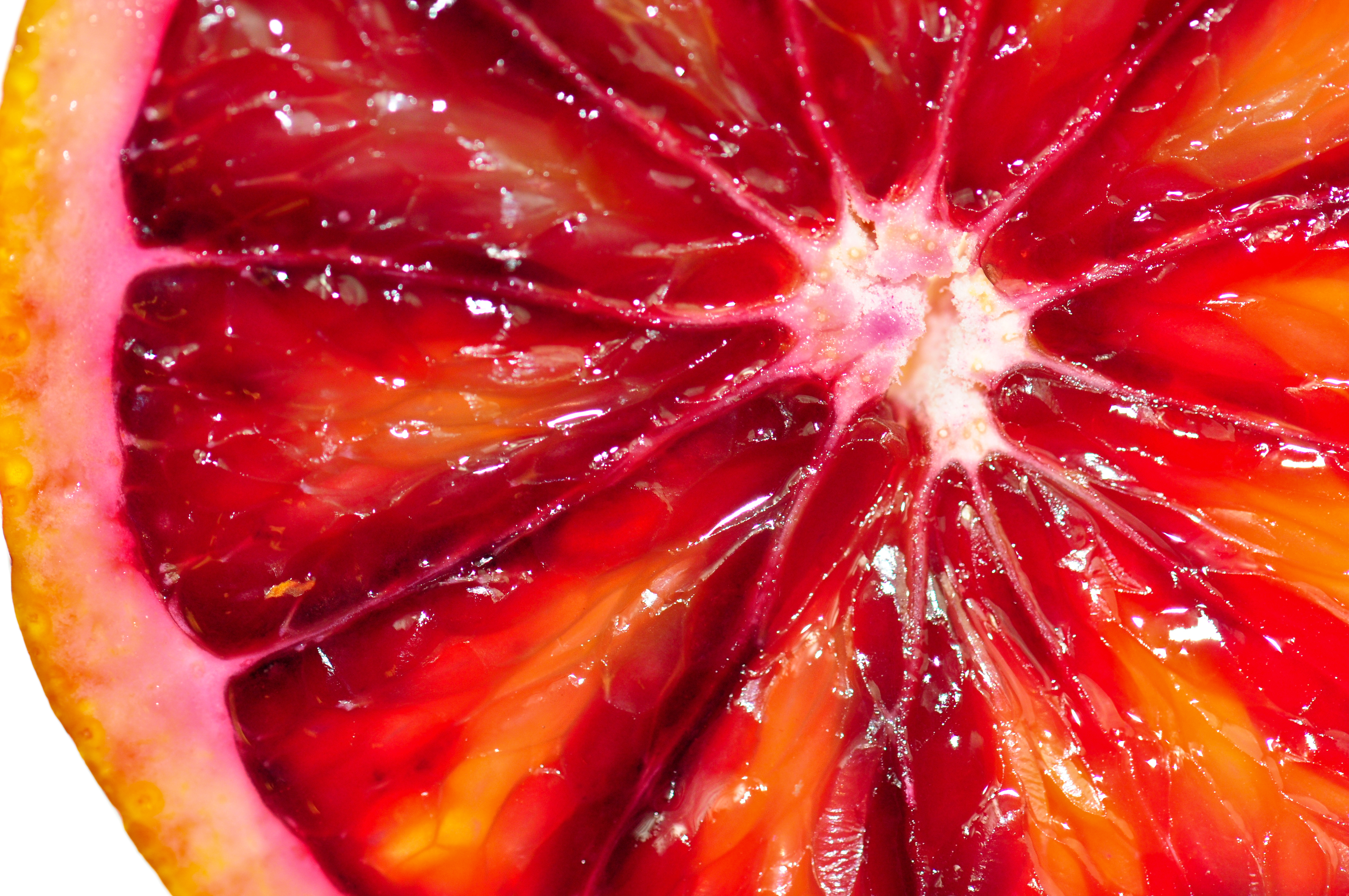
blood orange slice

blood orange

I have to say that for the most part, I hate shopping–except food-related shopping. When I do food-related shopping, I almost always come home with something that was not on the shopping list (Yes, I do make shopping lists, but I don’t really do meal planning.)  do sometimes venture in to the food store without a list, though I do try not to go food shopping when I’m hungry. Sometimes I go to the grocery store impulsively and spontaneously–triggered by some extraneous event.

My last such foray was triggered by sitting at the counter of Hope Valley Diner discussing food with another regular lunch customer–also a foodie.  What sent me to the grocery store was his mention of a chocolate cake from Fresh Market: namely chocolate ganache cake.That definitely got my chocolate imagination going–after all ganache is basically chocolate and cream, maybe some butter–but it’s really serious chocolate–adult chocolate.

Being in need of a chocolate fix since I’d been indexing all morning, I detoured by the Fresh Market on my way home (it really wasn’t more than a half mile in the opposite direction) hoping that I would find chocolate ganache cake by the slice. So–my intent on entering the Fresh Market was to obtain a single slice of chocolate cake.

As I walked through the entrance into the vestibule I was immediately faced with packages of California-grown Moro blood oranges. I seem to be constitutionally incapable of walking away from blood oranges, so there was the first “additional” item, so I really did need to get a basket though I hadn’t thought I needed one.  Now the blood oranges were not individual–they came in a little easy to carry bag–meaning that I now had several blood oranges.

Continuing on my way to the bakery section, I detoured though the produce (around the edge of the store).  That took me past the Bolthouse juices. (Yes, I find daily grapefruit, orange, etc boring too many days in a row.) I noticed a couple that I’d not found at my Harris Teeter market, so those (Daily Golden Vedge and the Stone Fruit Smoothie–still haven’t found the Mango Ginger + carrot) )got popped into the basket.

I made it to the bakery counter after a brief detour around the cheese counter and the seafood salad bar. I first noticed a whole chocolate ganache cake–shiny top as you’d expect from ganache, very dark, with the sides of the cake covered with dark chocolate shavings or chopped. Thankfully, there was a single slice of this luscious looking cake in the case. That got put into the basket with a sigh of relief–after all, THAT was what I came for! I made it back past the chocolate bars and other candy without adding anything more to the basket, checked out, and headed for home.

Blood Orange and Sage Sparkling SodaOnce home I had a blood orange–and realized that I was going to be eating or juicing blood oranges for a bit. Though straight blood orange juice is certainly not a hardship, serendipity has a way of intervening. While I was perusing my favorite blogs, what should I find but a gorgeous photograph and a recipe for blood orange and sage sparkling soda.

The image at the left is from Snixy Kitchen blog–just too gorgeous not to “plagiarize” with attribution, and share. I’d not thought of the combination of sage and orange, but with the “imagery” of the blood orange I’d just eaten, and a brush of the sage wintering on my deck, I knew I had to try it. This as a beverage is definitely a keeper–I’m sure that I’ll be making sage simple syrup again, and I have to think this would make a great sorbet as well as something to put in a glass and drink.  This combination of orange and sage also has me thinking about veal, pork, maybe chicken….Thank you, Snixy Kitchen for a great combination!

ÒΔÓ

Now if you’re wondering about the chocolate ganache cake?  Well, I ate it before it even occurred to me to take a picture, and I haven’t found a chocolate cake image that even comes close–so I’ll have to go with words: very, very dark, moist, with ganache between the layers and as icing, not too thick.  Dark chocolate chips/shaving on the sides, not too sweet, but sweet enough–adult chocolate–absolutely luscious.  That’s probably where I’ll go look for my next chocolate fix.

Signs of spring

Shad Roe Sac

pair of shad roe

Sometimes it’s a bit dangerous for me to venture into the grocery store–I happen on to something that I hadn’t planned to buy. That happens especially with some seasonal specialties that appear without warning because you never know quite when they are going to be available.

So we’ve had groundhog day, and we’re looking toward the vernal equinox (20th of March, I believe)–all suggesting that spring is on the way. I have a particular sign of spring that I’m always looking for: shad roe. Today I made its unpredictable appearance at my local Harris Teeter fish market. I never know quite how I’m going to fix it once I get it home–but it usually comes down to something with brown butter and some other seasonings like lemon, or something very simple so that the focus is the shad rod itself.

Whilst skulking about on the web, I found this delightful post on The Garum Factory about its history and preparation that I want to reblog –I couldn’t do it  better.  This looks like a great way to prepare it. Another post worth reading if you’re new to shad roe is from the second lunch.

Now off to put my shad roe in the salt water!  I’m now ready to think that spring really is on the way!

George Washington Ate Here – Shad Roe with Brown Butter, Capers and Ginger from The Garum Factory appears below.

Jody and Ken's avatarThe Garum Factory

You will never see it on a restaurant menu.  The TV Food Network is unlikely to devote an hour to its history and preparation.  It is one of the great forgotten foods of American culinary culture.  I’m talking about the shad.  The sole remnant of its once mighty role in the diet of Americans is its roe, and for a certain segment of avid pescavores it’s the line in the sand between winter and spring.  This week we’re going where food blogs don’t usually tread – Shad Roe with Brown Butter, Capers and Ginger.   Believe me, it’s worth it.

There is a story–a fish story?–proffered by historian Henry Emerson Wildes in his book Valley Forge about the importance of shad to the revolutionary war effort.  In the spring of 1778 the tattered and hungry Continental Army was encamped in Valley Forge, Pennsylvania, where it had been since the onset of…

View original post 1,902 more words

A good home-cooked steak

Steak is not something that I order when I splurge for a meal in a fine restaurant; it’s too easy to do at home and good for single-serving cooking since it’s portioned when it comes home, and it’s easy to cook.

A good thick-cut, home-cooked steak is one of the things that I don’t mind having left over, since it’s usable as “roast beef” for a yummy sandwich.  (No, the roast beef from the deli simply does not do it.) My favorite way to cook the steak is from Cook’s Illustrated, 01 May 2007–it does take a little time and minimal effort, but it’s well worth it.

steaks in butcher caseMy usual choice of steak is a strip, or New York strip, cut 1-1/2 to 1-3/4 inches thick, with fat cap intact.  If I don’t find one lolling about   in the butcher case (you won’t likely find this in the pre-packaged section)  ask to have it cut the way you want it; my local Harris Teeter will cut to order but generally has thick-cut steaks in the butcher case.

This works fine with rib eye or with filet mignon, as long as it is thick-cut. Personally, I prefer strip or rib-eye to filet. Even with rib eye, it’s still not a substitute for real prime rib roast, but a good “second” so that I plan to have “leftovers”.

Ingredients

  • 1 boneless steak (1 1/2 to 1 3/4 inches thick (about 1 pound), strip or rib eye
  • Kosher salt and fresh ground black pepper
  • 1 tablespoon vegetable oil for searing

Preparation

  1. Adjust oven rack to  mid-position and pre-heat oven to 275 °F .
  2. Pat steaks dry with paper towel and season liberally with salt and freshly ground black pepper.
  3. Place steak on wire rack set in rimmed pan and place in oven.  (Steak does need to be raised rather in contact with pan).
  4. Cook until instant-read thermometer inserted in center of steak registers 90 to 95°F for rare to medium-rare, 20 to 25 minutes  (or 100 to 105°F  for medium, 25 to 30 minutes).
  5. Heat oil in  heavy-bottomed skillet over high heat until smoking.
  6. Place steak in the skillet and sear until well-browned and nicely crusty–about 1-1/2 to 2 minutes, lifting once halfway through to redistribute fat under the steak.
  7. Using tongs, turn steak and cook until well browned on the other side, about 2 to 2-1/2 minutes.
  8. Use tongs to stand steak on the sides and sear on all sides. (This really is worth the effort–and it really does not take long.
  9. Transfer to cooling rack, tent with foil, and let rest for about 10 minutes–this also is really worth the wait.
  10. You can prepare a quick pan sauce while the steak is resting, or simply add a pat of herb butter, horseradish,  or some blue cheese crumbles to the warm steak.

Add some simple sides like salad or baked potato. Now pour yourself a another glass of that luscious  red wine that was  breathing while you were cooking, and enjoy.

A son goût!

Popcorn….

For the most part I’ll pass on “snacks foods” except for popcorn! I love popcorn–not the microwave bags that come from the supermarket–but made from real popcorn kernels that come in a jar or a bag with nothing added.

Sriracha sauce bottles

“Rooster” sauce

I tend to sprinkle my popcorn with garlic powder, or chilli powder, or…whatever seems appropriate at the time.

While browsing the internet I found two “recipes” for popcorn that I thought I should share just in case there might be other popcorn lovers out there somewhere.

One of the staples in my kitchen is Sriracha sauce–never mind the Texas Pete or the Tabasco, but must have Sriracha around.  I’d not though of using it with my favorite snack of popcorn, so when I stumbled on a reference to that I just had to check it out.

One is for rosemary parmesan popcorn and the other for Sriracha popcorn, both from Taste Love & Nourish–from someone who is obviously a popcorn lover too.

chili garlic sauce

chili garlic sauce

Since I like garlic with my popcorn, I think I’ll try this with my other favorite condiment Chili Garlic (from the makers of Rooster sauce) though the consistency is different, but worth a try as well.

I think I’ll get out the chili garlic stuff and a paper bag–though I do have a microwave popcorn popper that you can use as a bowl, so I guess I dispense with the paper bag.

Now what do I want for a beverage with this one?

Potato and cabbage soup

I like soup for a meal–if it’s a good hearty soup with lots of veggies and maybe some meat in it. All it takes is cold weather and I’m especially interested in soup. Well, we’ve got the cold weather right now and it’s apparently going to last a while, too. I’ve a small “dinner” ham–I’ve sliced part of it to use for sandwiches, and cubed part–some will go in mac ‘n’ cheese (in the rice cooker), and it seemed that part of it would be good for soup–some to eat now and some to freeze for later meals.

Looking in the fridge, I discovered a head of cabbage and some red potatoes, and, of course, ham.

  • a medium yellow onion, chopped and lightly browned in a scant tablespoon of bacon fat (or oil).
  • Two good serving of ham, in 1/2-inch cubes, browned.
  • Garlic, about 6 good-size cloves, coarsely chopped, and cooked with the ham and onion until it starts to smell fragrant.
  • several healthy shakes of hot red pepper flakes added and “toasted” with the ham an onions.
  • about 1/2 teaspoon of kala jeera (black cumin) added to toast just a bit with the contents of the pan.
  • Two bay leaves added to the pan.
  • Three cups water to degaze the good brown fond from the bottom of the pan (add more later if needed when all the ingredients are in the pot). Bring to a simmer.
  • Three medium red potatoes cut into 1/2- to 3/4-inch cubes and added to the pot.
  • Cabbage, 1/2 small head cut into 3/4-inch pieces, or shredded if you prefer, added to the simmering pot. Add more water if needed to just barely cover.
  • Put the pot into a 250°F oven, and ignore for about 2 hours (I was working on an index and didn’t want to have to mind the pot on the stovetop).
cabbage, potato, and ham soup

meal in a bowl

Since cabbage keeps so well, I almost always have it in the crisper, and potatoes, too. I’ve done similar soups  (starting with the onions, potatoes, and cabbage–varying the seasoning, of course) with various sausages–kielbasa being a particular favorite. I’ve used leftover roast, steak, chicken, or chops in similar soups as well. If the meat is already cooked, I’ll use broth (vegetable, chicken, or beef) instead of water.

The kala jeera has a rather flowery flavor (and you want to use it in small amounts as it could be a bit overwhelming, but the hint of the floweriness was a nice contrast to the smokiness of the ham and the earthiness of the cabbage.

Posole

There is one good thing about having to hike out to the dumpster with the trash, especially when you’re cooking something.  If you stay in the kitchen too long you olfactory sense habituates to the aromas.  Take out the trash and you get a great new olfactory preview when you get walk back into the kitchen–especially if you spend a bit of time chatting with the neighbor who is also taking out the trash.

This cold weather has me cooking stew-y sorts of things.  A friend sent me a care package from New Mexico recently: blue and white corn with a recipe for making posole (or pozole, if you’d rather). Today was the day, since I was organized enough to remember to soak the dried corn overnight.  By the time I had sauteed everything, browned the pork, onions, garlic, added the oregano (had to do Turkish rather than Mexican until I do another Penzeys order), and the chilli pods I wasn’t fully appreciating the aroma of the cooking. I popped the covered dutch oven into the oven and took– out the trash.

When I opened the door and walked into the living room, I was definitely getting a fresh sensation: the browned pork, the oregano, the chillis–this smells like warmth and comfort on a cold day!

White Corn Posole

This is the recipe that came with the package of Los Chileros de Neuva Mexico package of white corn posole. I more or less followed the recipe–

Ingredients

  • 6-8 chile pods
  • 2 pounds cubed pork (or beef)
  • 3 cloves garlic minced
  • 1/2 teaspoon Mexican oregano
  • 1 teaspoon of salt.

Preparation & assembly

  • Soak the posole (12 ounces) in water to cover overnight.
  • Boil the posole in salted water for about 2 hours.
  • Add meat, chilli pods, oregano and garlic.
  • Cover and simmer for another hour or until the posole is tender, stirring occasionally.

<>\/<>

My first deviation from the recipe was to brown the pork (in a little bacon fat) before adding the liquid and the other ingredients. My second deviation was to use 4 chilli pods (ancho and guajillo) and then about 2 teaspoons of Hatch chilli powder.  I had tasted before adding the chilli powder–and it’s wasn’t spicy enough. I’ll see what it’s like when I reheat it. My other deviation was to add way more garlic.

I’d looked at other recipes for posole online, and found lots of recipes calling for other ingredients–cumin, coriander, and even tomatoes. I decided to start with this simple, rather a straightforward one for my first try at posole.

I really think that Mexican oregano is a must–the Turkish just isn’t quite right here–it’s sweeter than the Mexican to my taste and would fit better with the corn flavor. I’m likely to add some cumin and coriander next time around as well. I may add onions (caramelized) as well. It’s a recipe in evolution now. I think a little more “brown” in the flavor would be good, as well as some smoke from either chipotle peppers or from pimentón–but definitely Mexican oregano next time. I used water here and not pork stock, but I think that pork stock would be tastier–especially if the bones/meat were browned before making the stock.

Even though this is a simple soup/stew, a bowl of this is very satisfying on a cold day when you need warmth and a full tummy!

My friend also sent blue corn–which I’ve only had in tortilla chips, so it will be interesting to see how that compares to the white. I do suppose you could make this with canned hominy, but this seems to have more corn flavor that I remember from canned hominy. I’m going to enjoy trying out different seasonings here.

It’s turkey time–again!

At the risk of being considered heretical, perhaps even un-American, and definitely not in the proper holiday spirit, I’m going to come right out and say that turkey would be my last choice for the main course of a holiday feast.  I’d much rather have duck, goose, roast pork, prime rib, or even roast chicken, (unless we’re going to talk wild turkey).  The problem is that it’s an achievement to get a whole turkey to be edible (and I do have a friend who does that well, so I eat her turkey–it’s the best I’ve had when the bird is roasted whole). The problem is the turkey–not the cook!

It seems to me that turkey is all about presentation, and NOT about cooking it to the best advantage. We’ve bred turkeys to have a huge chunk of breast meat, which really isn’t that flavorful. That white meat is attached to the legs, dark meat.  Now dark and white meat cook very differently, and here they are attached to the same bird, so that you have to cook them together–a real cooking dilemma.

Not to mislead you, some of the same problems exist with chicken, or Cornish game hen/poussin, though it’s easier to find ways to have both come out reasonably well on the smaller bird. The white meat still is not as flavorful as the dark, even on free-range chickens. I do use the breast meat–I usually cook it separately from the dark meat, but do sometimes roast a whole bird (French style in a dutch oven, in the Romertopf, or sometimes just uncovered in the oven). 

It’s not that I don’t like turkey–at least occasionally–even the white meat.  I just want it like I want all my food–to have the best taste and texture possible. It’s always seemed to me that when you have two things as different as turkey legs and breast, that you should not try to cook them together–neither will be at its best.  Cook’s Illustrated has provided a recipe for optimizing turkey, and it involves taking it apart, but it also provides for stuffing, and presentation, too. I’d like to try this out with a whole turkey to see how complicated it is to get it done.

I’ll buy turkey breast fillets almost any time for a quick sauté–just like I’d do chicken breasts, but I still like dark meat best. I’m actually glad to see turkeys in the market–especially the pieces–light and dark meat separately. While you can almost always get turkey breast and sometimes even the drumsticks, what I really like are the thighs–without the drumsticks attached. I was happy to find turkey thighs at Harris Teeter when I went to do my marketing yesterday.

roasted turkey thigh in roasting pan

turkey my way

Yes, even though turkey-eating season is about to get into full swing, I came  home with a package of turkey thighs–and tonight I had roast turkey–thigh that is.

It’s ideal for cooking for one–and inexpensive as well. One roasted turkey thigh will give me several meals: hot roast turkey, a cold turkey sandwich, and a serving of turkey soup.

-<>^<>-

Since I was working on an indexing job today, I really did not get fancy with my turkey thighs. I just let the thighs sit for a couple hours in the refrigerator, uncovered, so the skin would dry.  I plopped them into the roasting pan with some wedges of potatoes, and salted the skin liberally so it would be crisp and golden brown. Then, into the oven (350°F) for about an hour, and out came my roast turkey.

roast turkey thigh partially carved

ready to serve

I let it rest just like a whole bird, and then carved off my supper. Since I was after as few dishes to wash as possible, I made a cabbage dish that I wanted to try, and had potatoes roasted right along with the turkey–no gravy or stuffing tonight. (Cook’s Illustrated did give instructions for making stuffing with the disassembled bird, and I do want to try to adapt that for my single-serving quantity–but just not today. It was an easy, inexpensive, and tasty meal.

I’d eat more turkey if I were able to get thighs year round.  I’m looking forward to more roast turkey in the next few days as I have another thigh that’s been roasted.  I suspect there will be more than one turkey sandwich, and some will end up in with the bones in some hearty turkey, barley or lentil, and mushroom soup from my tiny single-serving size slow-cooker.


plate of turkey